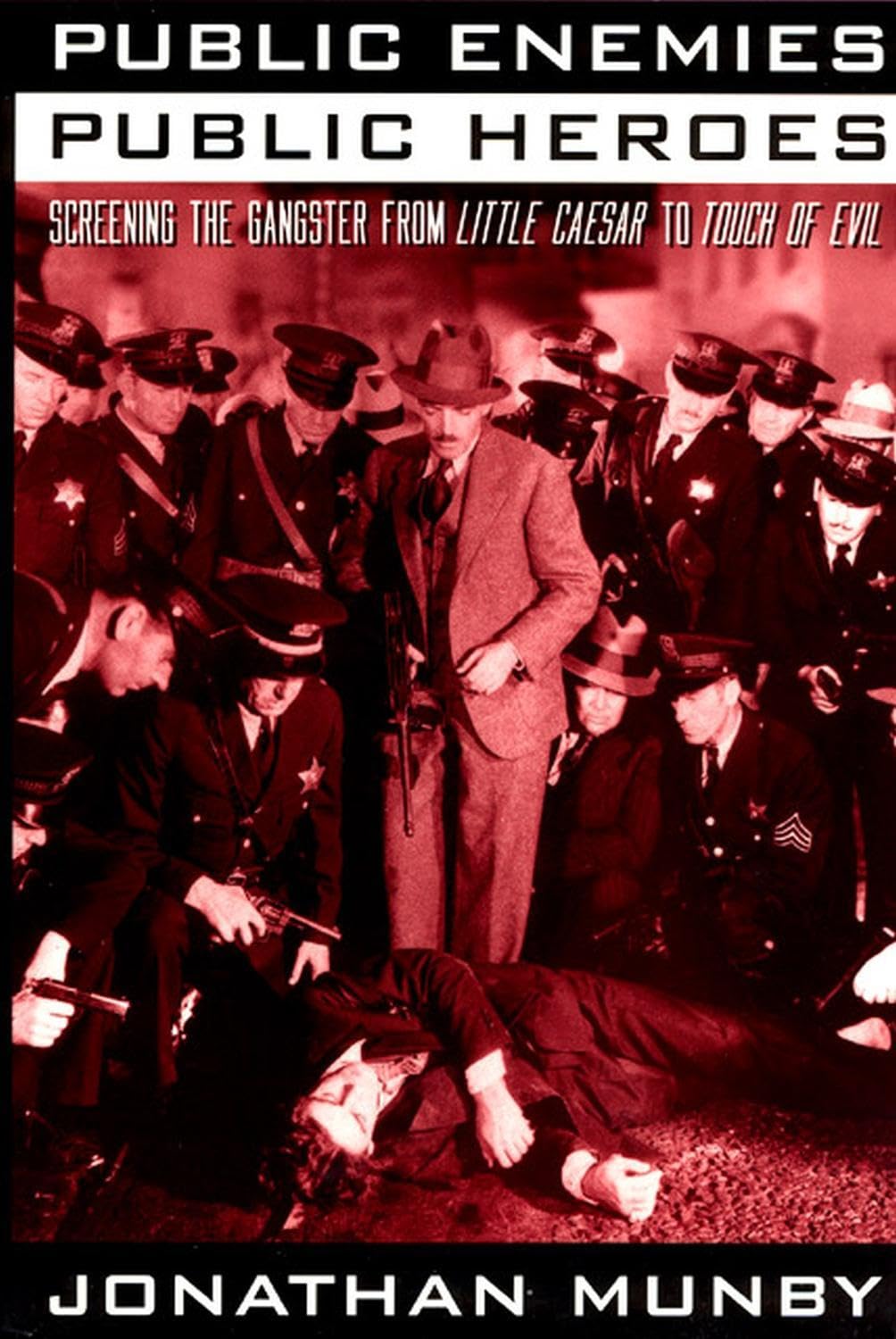
Public Enemies, Public Heroes: Screening the Gangster from Little Caesar to Touch of Evil
$19.12
| Brand | Jonathan Munby |
| Merchant | Amazon |
| Category | Books |
| Availability | In Stock |
| SKU | 0226550338 |
| Age Group | ADULT |
| Condition | NEW |
| Gender | UNISEX |
| Google Product Category | Media > Books |
| Product Type | Books > Subjects > Politics & Social Sciences > Politics & Government > Specific Topics > Censorship |
About this item
Public Enemies, Public Heroes: Screening the Gangster from Little Caesar to Touch of Evil
In this study of Hollywood gangster films, Jonathan Munby examines their controversial content and how it was subjected to continual moral and political censure. Beginning in the early 1930s, these films told compelling stories about ethnic urban lower-class desires to "make it" in an America dominated by Anglo-Saxon Protestant ideals and devastated by the Great Depression. By the late 1940s, however, their focus shifted to the problems of a culture maladjusting to a new peacetime sociopolitical order governed by corporate capitalism. The gangster no longer challenged the establishment; the issue was not "making it," but simply "making do." Combining film analysis with archival material from the Production Code Administration (Hollywood's self-censoring authority), Munby shows how the industry circumvented censure, and how its altered gangsters (influenced by European filmmakers) fueled the infamous inquisitions of Hollywood in the postwar '40s and '50s by the House Committee on Un-American Activities. Ultimately, this provocative study suggests that we rethink our ideas about crime and violence in depictions of Americans fighting against the status quo. Beginning in the early 1930s, argues Lancaster University lecturer Munby, gangster films reflected the urban masses' discontent with the Horatio Algeresque conservatism of Depression-era America. By the end of this genre's heyday, in the early 1950s, the films mirrored the changing sociopolitical order adjusting to corporatism. Munby's wide-ranging overview is most useful in examining the genre's response to the Production Code, the Legion of Decency, and the House Un-American Activities Committee as these groups threatened to muzzle dissent on the silver screen. Recommended for all film collections as a companion to Eugene Rosow's Born To Lose: The Gangster Film in America (1978. o.p.).AAnthony J. Adam, Prairie View A&M Univ. Lib., Houston, TX Copyright 1999 Reed Business Information, Inc. Jonathan Munby is senior lecturer in film studies and American studies at Lancaster University. He is the author of Public Enemies, Public Heroes: Screening the Gangster from “Little Caesar” to “Touch of Evil,” also published by the University of Chicago Press.
| Brand | Jonathan Munby |
| Merchant | Amazon |
| Category | Books |
| Availability | In Stock |
| SKU | 0226550338 |
| Age Group | ADULT |
| Condition | NEW |
| Gender | UNISEX |
| Google Product Category | Media > Books |
| Product Type | Books > Subjects > Politics & Social Sciences > Politics & Government > Specific Topics > Censorship |
Similar Products









Compare with similar items
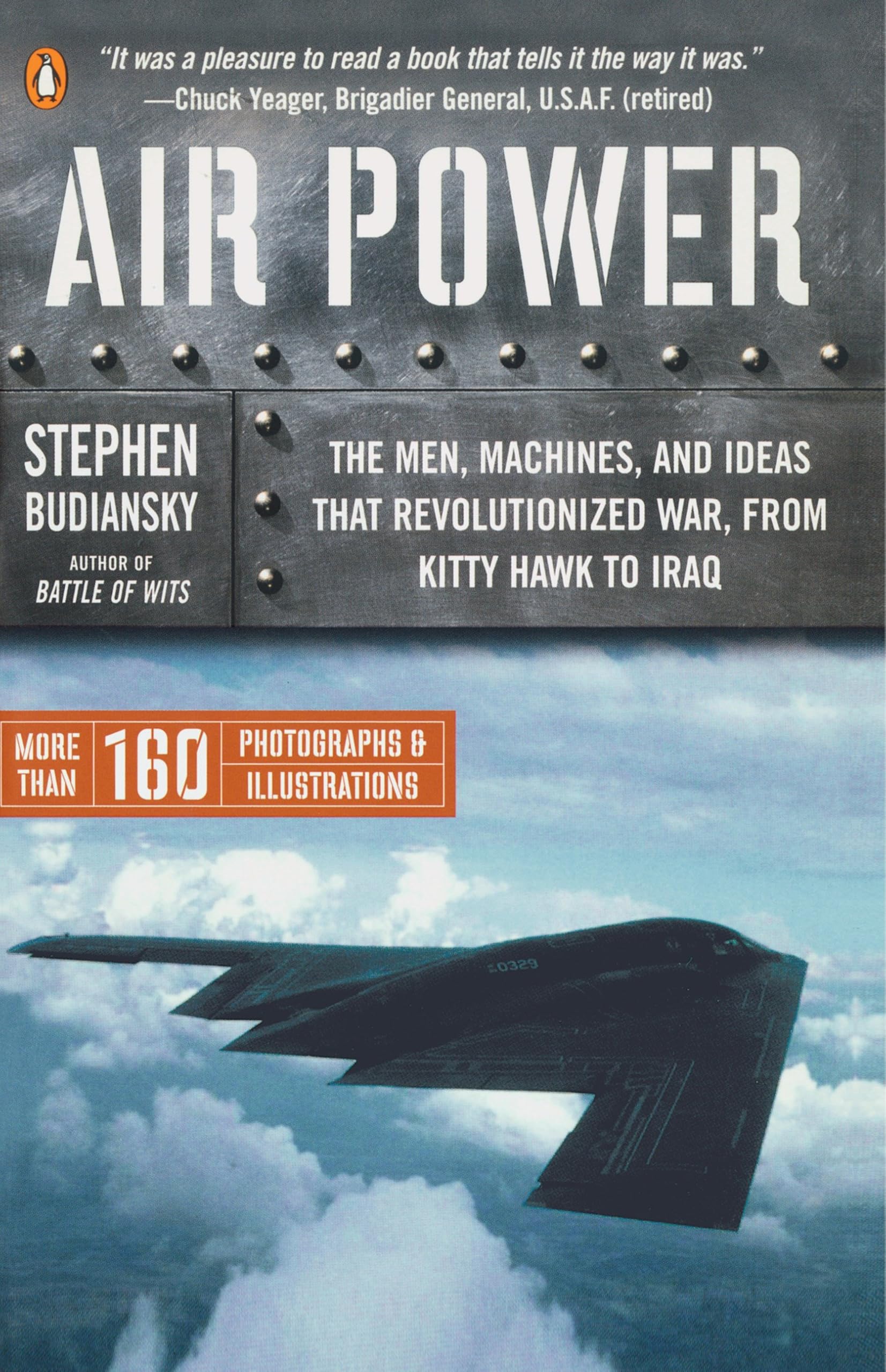
Air Power: The Men, Machines, and Ideas ... |

Aquene Nipmuc for Peace... |
Tarnished: A Thriller Short Story Collec... |

Composition Book: Cute Frog With a Girl ... |
|
|---|---|---|---|---|
| Price | $16.75 | $10.99 | $16.99 | $7.99 |
| Brand | Stephen Budiansky | Gail Schuyler | Grace Ingram | Min yoonga |
| Merchant | Amazon | Amazon | Amazon | Amazon |
| Availability | In Stock | In Stock | In Stock | In Stock |