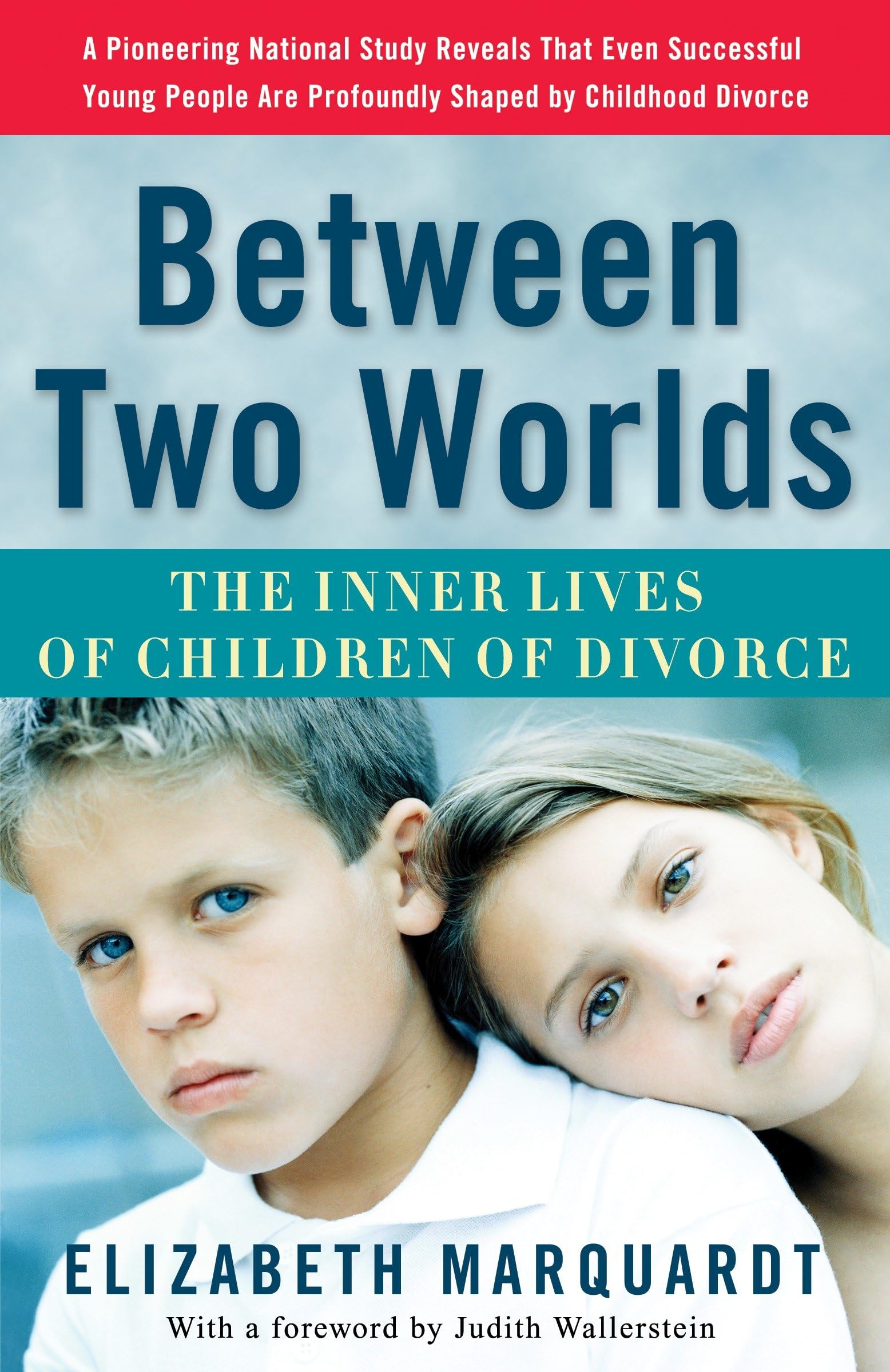
Between Two Worlds: The Inner Lives of Children of Divorce
$11.36
| Brand | Elizabeth Marquardt |
| Merchant | Amazon |
| Category | Books |
| Availability | In Stock |
| SKU | 0307237117 |
| Color | Multicolor |
| Age Group | ADULT |
| Condition | NEW |
| Gender | UNISEX |
| Google Product Category | Media > Books |
| Product Type | Books > Subjects > Health, Fitness & Dieting > Psychology & Counseling > Adolescent Psychology |
About this item
Between Two Worlds: The Inner Lives of Children of Divorce
Is there really such a thing as a “good divorce”? Determined to uncover the truth, Elizabeth Marquardt—herself a child of divorce—conducted, with Professor Norval Glenn, a pioneering national study of children of divorce, surveying 1,500 young adults from both divorced and intact families between 2001 and 2003. In Between Two Worlds , she weaves the findings of that study together with powerful, unsentimental stories of the childhoods of young people from divorced families. The hard truth, she says, is that while divorce is sometimes necessary, even amicable divorces sow lasting inner conflict in the lives of children. When a family breaks in two, children who stay in touch with both parents must travel between two worlds, trying alone to reconcile their parents’ often strikingly different beliefs, values, and ways of living. Authoritative, beautifully written, and alive with the voices of men and women whose lives were changed by divorce, Marquardt’s book is essential reading for anyone who grew up “between two worlds.” “Makes a persuasive case against the culture of casual divorce.” — Washington Post “A poignant narrative of her own experience . . . Marquardt says she and other young adults who grew up in the divorce explosion of the 1970s and 1980s are still dealing with wounds that they could never talk about with their parents.”— Chicago Tribune Elizabeth Marquardt is the director of the Center for Marriage and Families at the Institute for American Values, a nonpartisan think tank focused on children, families, and civil society. Her essays and op-ed pieces have appeared in the New York Times, Washington Post, Chicago Tribune, and elsewhere. She lives in Chicago with her husband and two children. 1: Growing Up Divorced When I was growing up, divorce was an all-but-nonexistent topic of conversation. Beyond my own siblings I knew few other children of divorce; much less did I have any sense that I was part of a brand-new cohort, a generation of children marked by the first era of widespread divorce. I did, however, always feel "different" as a child; in the lingo of the seventies I thought of myself as a "weirdo." But I assumed my weirdness was part of who I was. Sometimes I took pride in it, but more often I felt lonely because of it. It was only in my early twenties that I began to understand how common the experience of having divorced parents was. Only then did I begin to wonder how divorce might have shaped me as a person. I was born in 1970, just as the no-fault divorce revolution started sweeping the country. California was the first state to pass such legislation, in 1969, and virtually all the other states followed. My own parents, high-school sweethearts who were among the top graduates of their class in a small town in North Carolina, married in their first year of college, had me in their sophomore year, and separated when I was two years old. In the very early pictures of our family my dad has a shaggy haircut, barely covering his ears, that scandalized his father. My mother wears her hair differently in nearly every photo and is clad in hippie regalia—pretty, homemade crocheted vests and snug-fitting shirts and jeans. I am usually dressed in overalls or, for special occasions, in dresses that she and her mother and grandmother sewed for me. I'm fascinated by those early pictures because I have no memory of that time. I don't remember my parents living together, sharing a home, or hugging, let alone arguing. In one home movie from that brief era—I think my dad's younger brother was holding the camera—my parents give each other a long, deep kiss. They're hamming for the camera but there is unmistakable youthful passion there too. It's the only time I've ever seen them kiss, and I watch it a little embarrassed but also entranced. That's where I came from. My first memories are of my parents apart. I remember my mother and first stepfather as the parents I called out to when I was scared in the middle of the night. I remember living with my dad, a bachelor getting his master's degree, for a long summer vacation at his apartment. I've learned since that his friends were impressed that a young man could feed, clothe, house, and love a little girl by himself for an entire summer, every summer. When I look at men in their early twenties around me, it seems hard to imagine. But even though I knew that my parents were young, they seemed larger than life, and capable of anything. In some ways I was a fortunate child of divorce: I could take both parents' love for granted. So many like me lose a warm relationship with their father or lose that relationship entirely. The trouble was that I missed my mother and father terribly when I was separated from one of them—and I was always separated from one of them. As a result of my parents' divorce, my childhood was filled with constant movement. I traveled often between my parents, spending school years with my mother and l
| Brand | Elizabeth Marquardt |
| Merchant | Amazon |
| Category | Books |
| Availability | In Stock |
| SKU | 0307237117 |
| Color | Multicolor |
| Age Group | ADULT |
| Condition | NEW |
| Gender | UNISEX |
| Google Product Category | Media > Books |
| Product Type | Books > Subjects > Health, Fitness & Dieting > Psychology & Counseling > Adolescent Psychology |
Similar Products






Compare with similar items

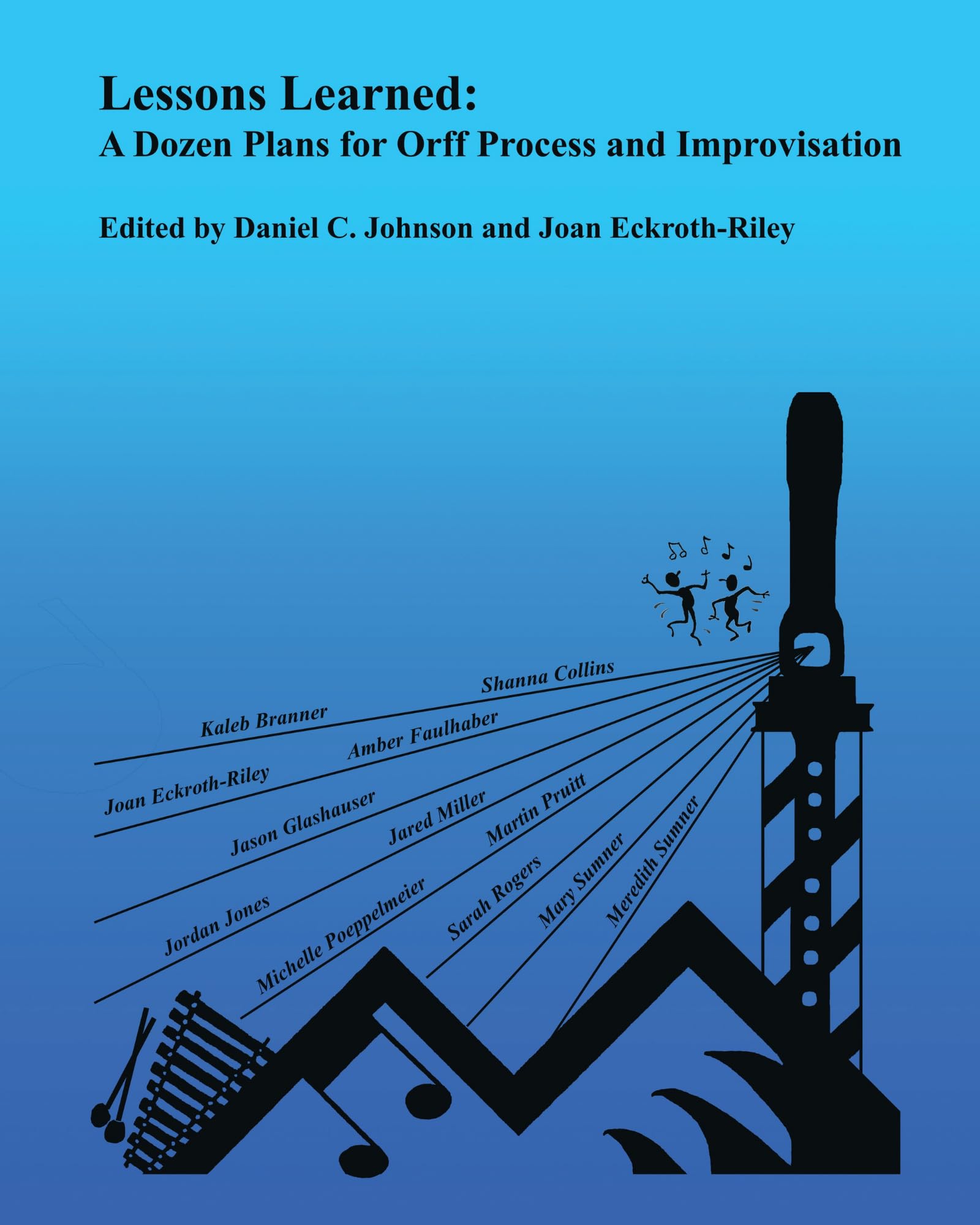
Learn to Read Decodable Books with Ease:... |
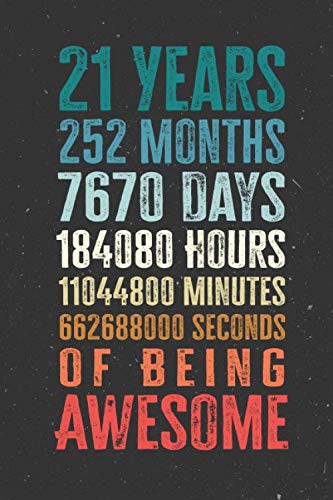
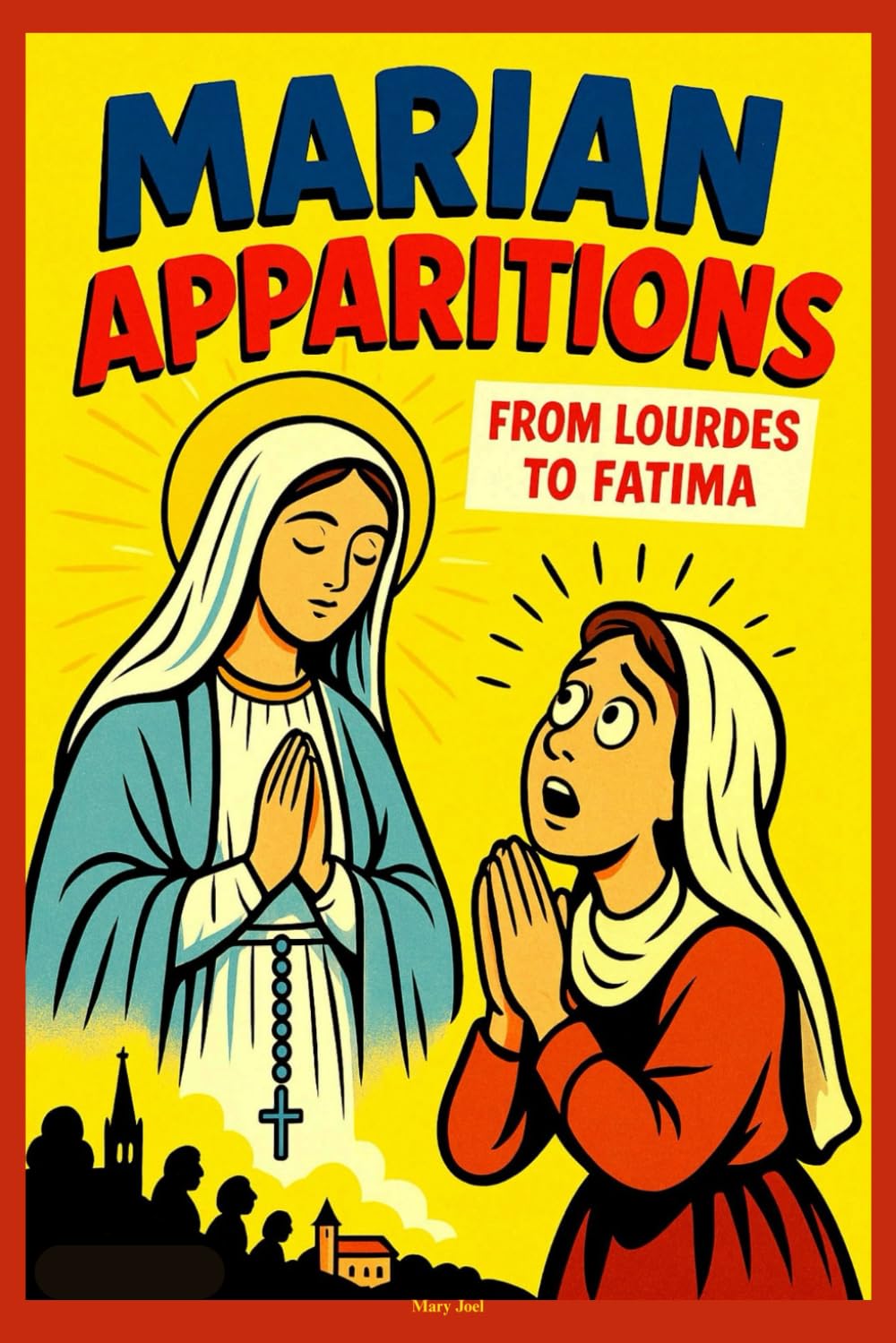
21 Years 252 Months Years Of Being Aweso... |

Unkept Leadership: The Neglected Topics:... |

Behavioral Psychology... |
|
|---|---|---|---|---|
| Price | $17.99 | $7.99 | $24.99 | $7.49 |
| Brand | Lori D. Watts | Joann Jones | Dr. Freadda Zeigler PH.D | Matesz Mr |
| Merchant | Amazon | Amazon | Amazon | Amazon |
| Availability | In Stock | In Stock | In Stock Scarce | In Stock |