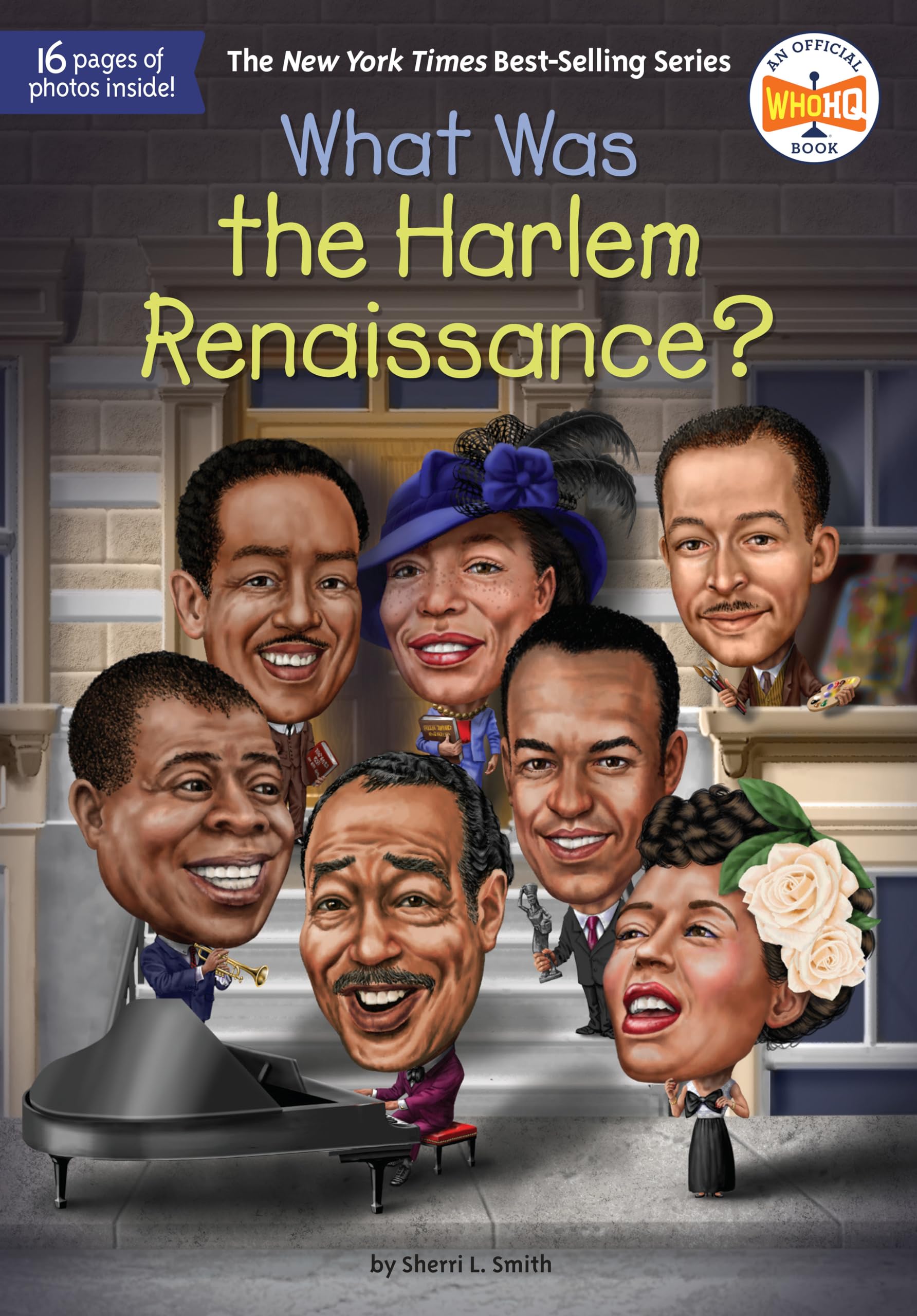
What Was the Harlem Renaissance?
$15.99
| Brand | Sherri L. Smith |
| Merchant | Amazon |
| Category | Books |
| Availability | In Stock Scarce |
| SKU | 0593225910 |
| Color | Multicolor |
| Age Group | ADULT |
| Condition | NEW |
| Gender | UNISEX |
| Material | Cellulose-based or similar non-woven material |
| Google Product Category | Media > Books |
| Product Type | Books > Subjects > Children's Books > History > United States > 1900s |
About this item
What Was the Harlem Renaissance?
In this book from the #1 New York Times bestselling series, learn how this vibrant Black neighborhood in upper Manhattan became home to the leading Black writers, artists, and musicians of the 1920s and 1930s. Travel back in time to the 1920s and 1930s to the sounds of jazz in nightclubs and the 24-hours-a-day bustle of the famous Black neighborhood of Harlem in uptown Manhattan. It was a dazzling time when there was an outpouring of the arts of African Americans--the poetry of Langston Hughes; the novels of Zora Neale Hurston; the sculptures of Augusta Savage and that brand-new music called jazz as only Duke Ellington and Louis Armstrong could play it. Author Sherri Smith traces Harlem's history all the way to its seventeenth-century roots, and explains how the early-twentieth-century Great Migration brought African Americans from the deep South to New York City and gave birth to the golden years of the Harlem Renaissance. With 80 fun black-and-white illustrations and an engaging 16-page photo insert, readers will be excited to read this latest addition to Who HQ! Sherri L. Smith is the author of Who Were the Tuskegee Airmen? and What Is the Civil Rights Movement? She currently lives in Los Angeles, California. What Was the Harlem Renaissance? It was summertime in Toluca, Mexico, in 1920. An American teenager named Langston Hughes and his father were leading two horses across the lonesome countryside. Langston’s father was an engineer. He wanted his son to become one, too. Engineers made good money. Langston had seen what it was like to be both rich and poor. He had lived with his mother’s family in the midwestern United States and on his father’s ranch in Mexico. His father had money. His mother did not. Black people were segregated from white people in the United States. (Segregated means kept separate.) African Americans did not have the same opportunities as white Americans. That was one reason Langston’s father lived in Mexico. He thought Langston would have a better life as an engineer outside the United States. But Langston had other ideas. Langston loved to write. He desperately wanted to go to New York City’s uptown neighborhood of Harlem. The bustling African American community was like a city within a city. Black writers and artists were beginning to make a name for themselves there. Langston would later say, “I dreamt about Harlem.” In June 1921, the Crisis magazine published Langston’s first poem. It was called “The Negro Speaks of Rivers.” (Negro is an outdated term for people of Black African descent.) The poem was about the journey of Black people from Africa to the American South. “Did they pay you anything?” he remembered his father asking. No, Langston admitted. But it was a start. Not long after, his father agreed to pay for college in New York. Langston was headed to Harlem! He was only nineteen years old. Soon he would become one of the best--known poets of the Harlem Renaissance. The Harlem Renaissance was a tremendous wave of creativity in the Black community of New York City. It took place during the 1920s and 1930s. African American culture had long been looked down on in the United States. Now new Black music, poetry, novels, dance, and art challenged those old views. Black artists began to take inspiration from their African roots and everyday lives. They wanted to express themselves not just as Americans but as African Americans. And it all began in Harlem, what Langston Hughes called “the greatest Negro city in the world.” Chapter 1: Welcome to Harlem! Harlem of the 1920s was home to a swiftly growing African American community on the island of Manhattan in New York City. This “city within a city” reached from 110th Street all the way up to 144th Street between Lenox Avenue on the east and Seventh Avenue on the west. Famous nightclubs like the Cotton Club and the Savoy Ballroom studded Lenox Avenue like neon jewels. They attracted wealthy customers and celebrities. Secret nightclubs called speakeasies served the Black working class on 133rd Street. On Seventh Avenue, Smalls’ Paradise offered “A Red Hot Show in a Cool Place” to racially mixed crowds. Smalls’ was a favorite hangout of the Harlem Renaissance set and featured dancing waiters! Harlem wasn’t just about nightlife. The 135th Street branch of the New York Public Library and the Harlem branch of the YMCA held many cultural events. The famous Apollo Theater on 125th Street near the local shopping district opened its doors to Black audiences in 1934. It draws African American performers from around the country to this day. Harlem was a thriving neighborhood with Black doctors, lawyers, and even police officers. Wealthy areas like Strivers’ Row and Sugar Hill boasted stately stone townhouses and elegant apartment buildings. The sense of possibility in Harlem drew newcomers by the thousands. But it had not always been that way. In the 1800s, Harlem had been
| Brand | Sherri L. Smith |
| Merchant | Amazon |
| Category | Books |
| Availability | In Stock Scarce |
| SKU | 0593225910 |
| Color | Multicolor |
| Age Group | ADULT |
| Condition | NEW |
| Gender | UNISEX |
| Material | Cellulose-based or similar non-woven material |
| Google Product Category | Media > Books |
| Product Type | Books > Subjects > Children's Books > History > United States > 1900s |
Similar Products




Compare with similar items

The Transformactional Approach A Definit... |
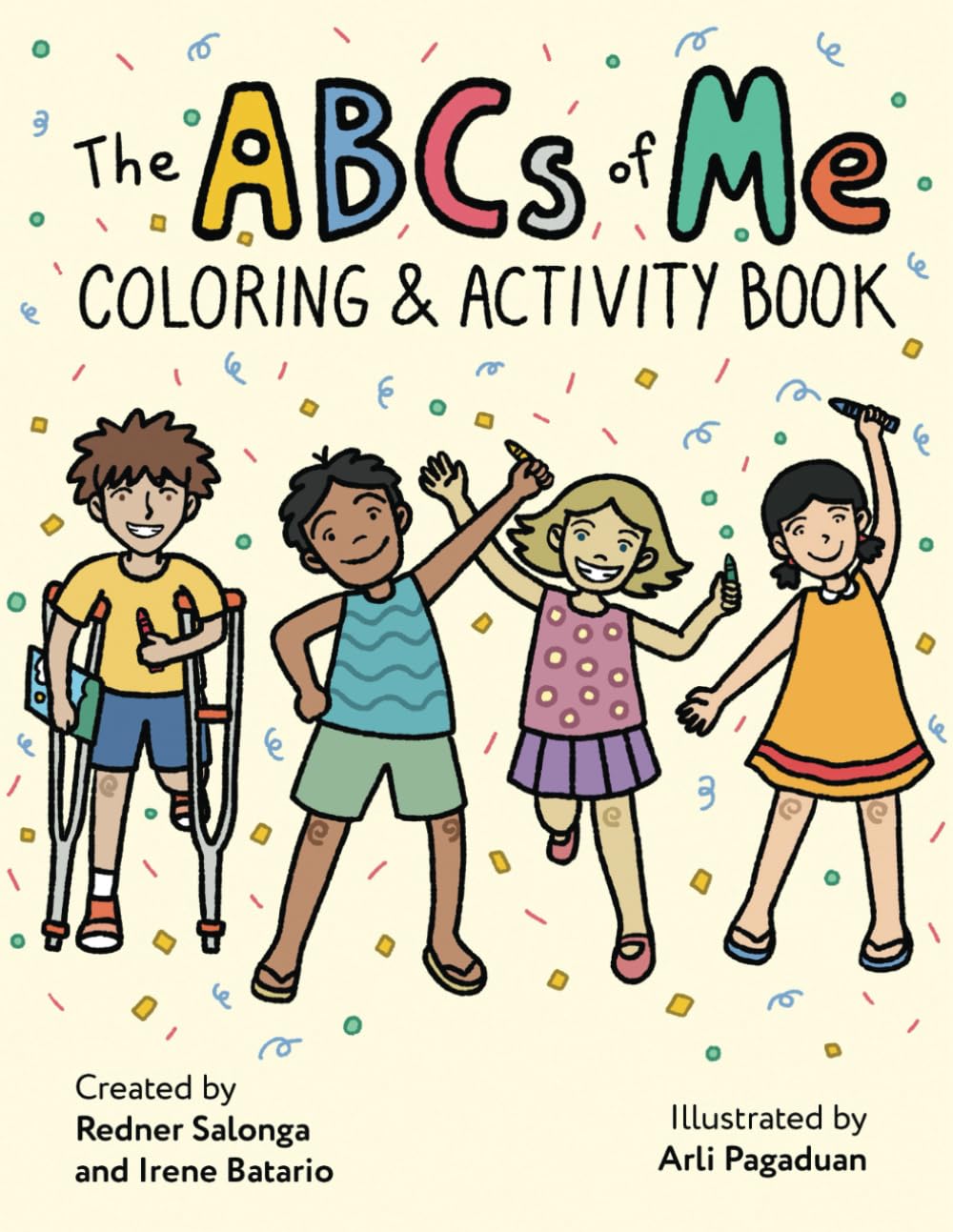
The ABCs of Me: Coloring and Activity Bo... |

THE TASTE OF CROCODILE TEARS... |
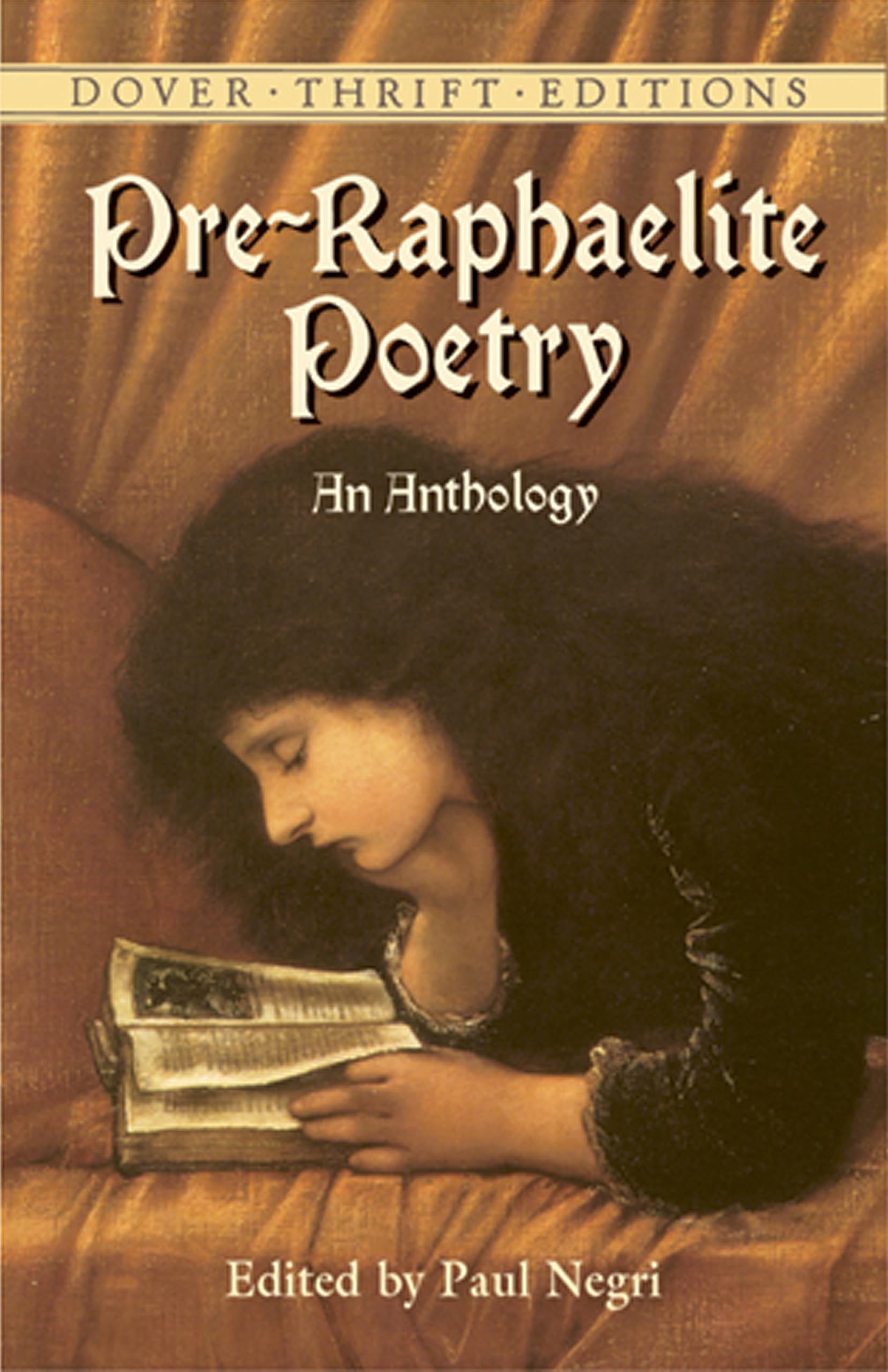
Pre-Raphaelite Poetry: An Anthology (Dov... |
|
|---|---|---|---|---|
| Price | $12.48 | $5.99 | $6.19 | $3.00 |
| Brand | Dr B G Nash Sr | Redner Salonga | David Hunter | Paul Negri |
| Merchant | Amazon | Amazon | Amazon | Amazon |
| Availability | In Stock | In Stock | In Stock | In Stock Scarce |