
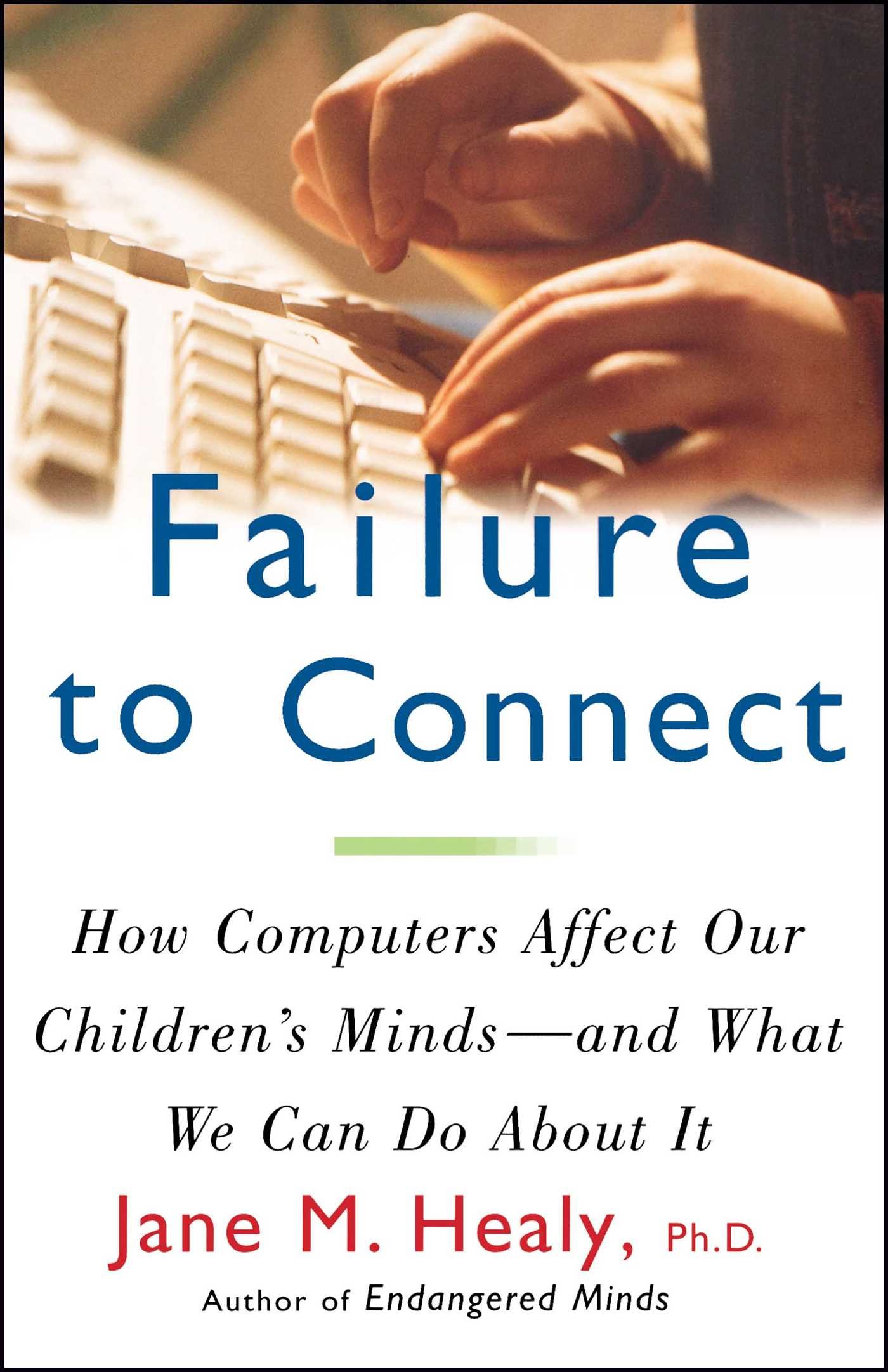
FAILURE TO CONNECT: How Computers Affect Our Children's Minds -- and What We Can Do About It
$21.00
| Brand | Jane M. Healy |
| Merchant | Amazon |
| Category | Books |
| Availability | In Stock |
| SKU | 0684855399 |
| Age Group | ADULT |
| Condition | NEW |
| Gender | UNISEX |
About this item
FAILURE TO CONNECT: How Computers Affect Our Children's Minds -- and What We Can Do About It
* When should children start using computers? * How should schools incorporate computer use into their curriculum? * Which types of computer software programs should be avoided? * Are children who don't have computers in class and at home doomed to fall behind their peers? Few parents and educators stop to consider that computers, used incorrectly, may do far more harm than good to a child's growing brain and social/emotional development. In this comprehensive and practical guide to kids and computers, Jane M. Healy, Ph.D., author of the groundbreaking bestseller Endangered Minds, examines the advantages and drawbacks of computer use for kids at home and school, exploring its effects on their health, mental development, and creativity. In addition, this timely and ey-opening book presents: * Concrete examples of how to develop a technology plan and use computers successfully with children of different age groups as supplements to classroom curricula, as research tools, or in family projects * Resources for reliable reviews of child-oriented software * Questions parents should ask when their children are using computers in school * Advice on how to manage computer use at home Dr. Dorothy Rich Founder and President, the Home and School Institute, and author of MegaSkills: Building Children's Achievement for the Information Age Jane Healy knows what she is talking about. I strongly urge all educators, as well as parents, to read this new book now...before it's too late. Mihaly Csikszentmihalyi author of Flow: The Psychology of Optimal Experience and Creativity: Flow and the Psychology of Discovery and Invention Failure to Connect sounds a wake-up call for teachers and parents who believe that computers alone will solve our educational problems. The bottom line: Adult attention rather than gigabytes is what makes children grow. Jane M. Healy, Ph.D. is a teacher and educational psychologist who has worked with young people of all ages, from pre-school to graduate school. She has been a classroom teacher, reading and learning specialist, school administrator, and clinician. She is currently a lecturer and consultant, and the author of three books about how children do (and don’t) learn, Your Child’s Growing Mind, Endangered Minds, and Failure to Connect. She and her work have been featured in national media such as CNN and NPR. She has twice been named “Educator of the Year” by Delta Kappa Gamma, the professional honor society of women educators. Jane and her husband claim they have learned most of what they know from raising three sons and enjoying six grandchildren. Chapter One: Blundering Into the Future: Hype and Hope "Computing is not about computers any more. It is about living." Nicholas Negroponte "Computers? The more the better. I want my kids to be prepared for the real world out there." Suburban father, Atlanta, Georgia "Technology! I feel as if we're being swept down this enormous river -- we don't know where we're going, or why, but we're caught in the current. I think we should stop and take a look before it's too late." Assistant Superintendent of Schools, Long Island, New York Technology shapes the growing mind. The younger the mind, the more malleable it is. The younger the technology, the more unproven it is. We enthusiastically expose our youngsters to new digital teachers and playmates, but we also express concern about the development of their brains, bodies, and spirits. Shouldn't we consider carefully the potential -- and irrevocable -- effects of this new electronic interface with childhood? Today's children are the subjects of a vast and optimistic experiment. It is well financed and enthusiastically supported by major corporations, the public at large, and government officials around the world. If it is successful, our youngsters' minds and lives will be enriched, society will benefit, and education will be permanently changed for the better. But there is no proof -- or even convincing evidence -- that it will work. The experiment, of course, involves getting kids "on computers" at school and at home in hopes that technology will improve the quality of learning and prepare our young for the future. But will it? Are the new technologies a magic bullet aimed straight at success and power? Or are we simply grasping at a technocentric "quick fix" for a multitude of problems we have failed to address? In preparing to write this book I spent hundreds of hours in classrooms, labs, and homes, watching kids using new technologies, picking the brains of leaders in the field, and researching both off- and on-line. As a longtime enthusiast for and user of educational computing, I found this journey sometimes shocking, often disheartening, and occasionally inspiring. While some very exciting and potentially valuable things are happening between children and computers, we are currently spending far too much money with too little thought. It is past time to paus
| Brand | Jane M. Healy |
| Merchant | Amazon |
| Category | Books |
| Availability | In Stock |
| SKU | 0684855399 |
| Age Group | ADULT |
| Condition | NEW |
| Gender | UNISEX |
Similar Products









Compare with similar items
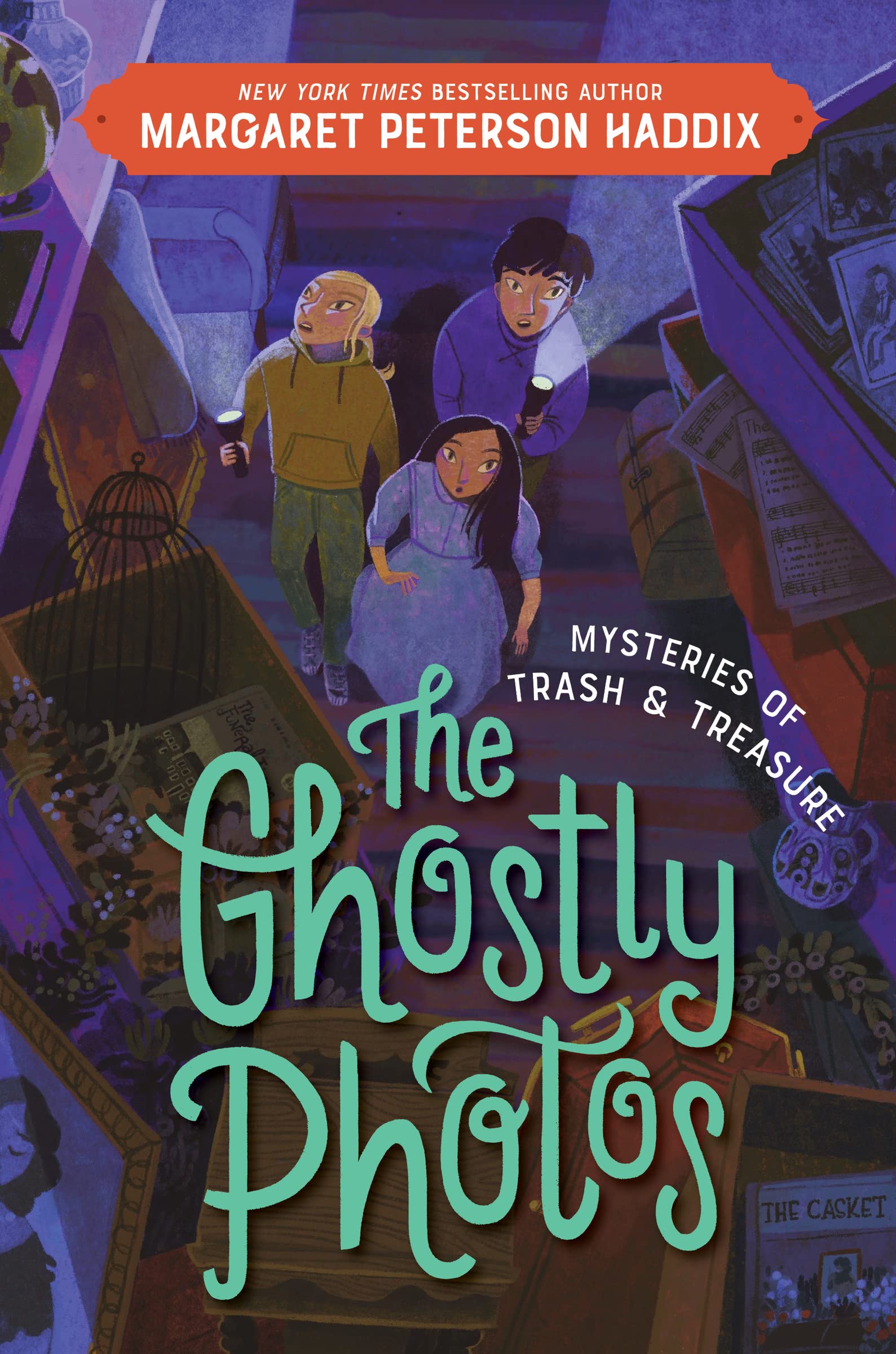
Mysteries of Trash and Treasure: The Gho... |
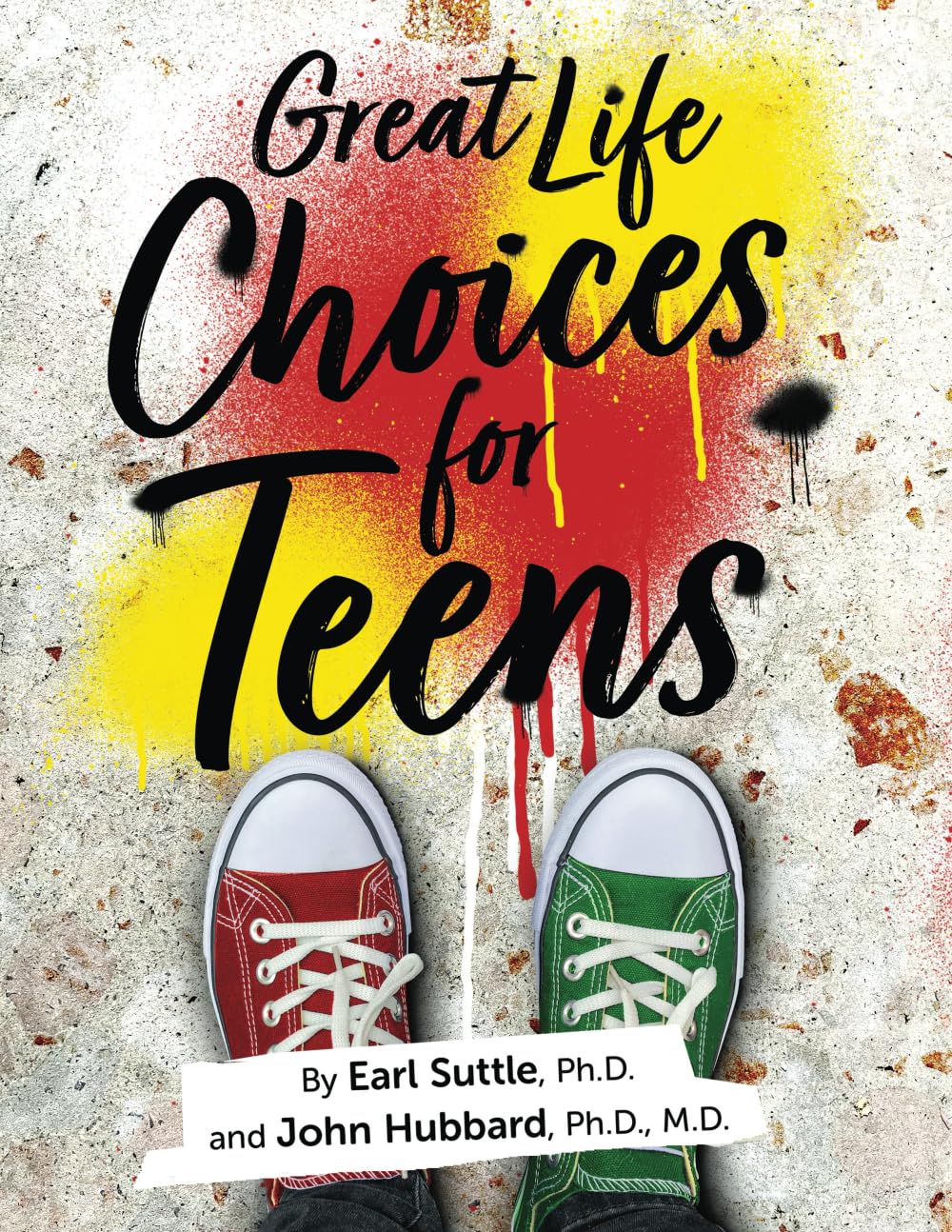
Great Life CHOICES for TEENS: Who Want t... |

The Cavapoo Way: A Guide to Successful D... |

Off Road Vehicles Coloring Book 25 Color... |
|
|---|---|---|---|---|
| Price | $10.50 | $20.00 | $9.99 | $9.99 |
| Brand | Margaret Peterson Haddix | Dr. Earl Suttle | Gus Tales | Mary Lowe |
| Merchant | Amazon | Amazon | Amazon | Amazon |
| Availability | In Stock Scarce | In Stock | In Stock | In Stock |