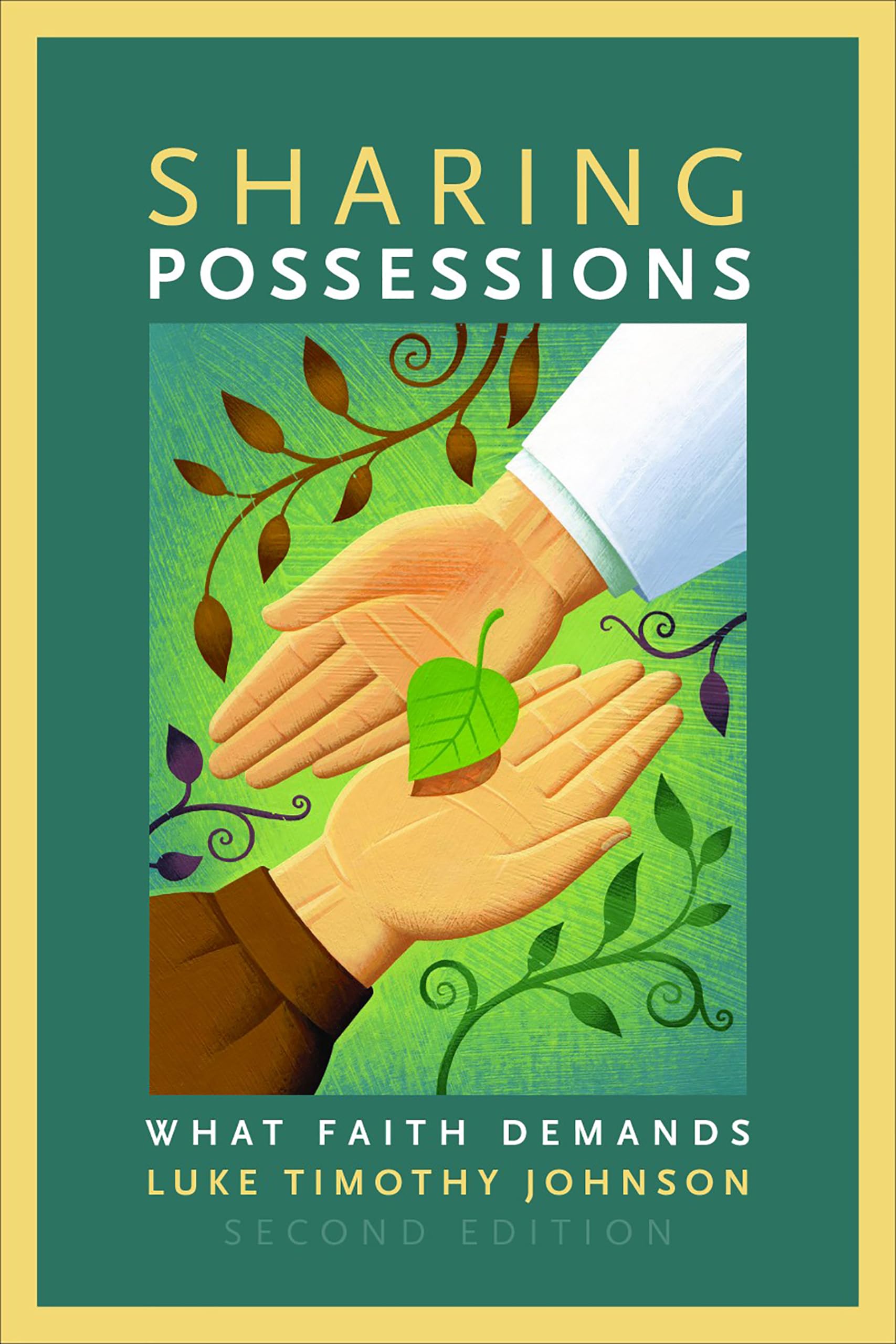
Sharing Possessions: What Faith Demands, Second Edition
$19.40
| Brand | Luke Timothy Johnson |
| Merchant | Amazon |
| Category | Books |
| Availability | In Stock |
| SKU | 0802803997 |
| Age Group | ADULT |
| Condition | NEW |
| Gender | UNISEX |
| Google Product Category | Media > Books |
| Product Type | Books > Subjects > Religion & Spirituality > Christian Books & Bibles > Christian Living > Stewardship |
About this item
Sharing Possessions: What Faith Demands, Second Edition
Challenges Christians to change the way they regard their worldly goods "This book is written as an exercise in theological reflection on one of the knottiest questions imaginable: the connection between being a Christian and the way we own and use things. . . . When we turn to thinking about money and possessions, we find ourselves in murky waters. The things we own and use, like our sexuality, lie close to the bone of our individual and collective sense of identity." So writes respected scholar Luke Timothy Johnson in his introduction to Sharing Possessions: What Faith Demands . Stepping purposefully into the "murky waters" of owning and sharing, Johnson endeavors to define the slippery concept of human possession -- especially in relation to God's divine ownership -- and to unpack the Bible's teaching on the mystery of human possessing and possessiveness. This second edition, reflecting thirty years of Johnson's further thinking on the subject, features chapters expanded with fresh insights, helpful new study questions for each chapter, and a substantial epilogue updating the work. Sondra Ely Wheeler — Wesley Seminary "All who found in Luke Johnson's treatment of possessions as part of the mystery of human existence a deeper and more fruitful approach to the 'problems' of wealth and poverty will find in this new edition continued critical reflection and fresh insight. Those for whom this is a first encounter will find out what made it worth reissuing after thirty years." Luke Timothy Johnson is R. W. Woodruff Professor of New Testament and Christian Origins at Candler School of Theology, Emory University. His many other books include The Creed: What Christians Believe and Why It Matters and Brother of Jesus, Friend of God Sharing Possessions What Faith Demands By Luke Timothy Johnson William B. Eerdmans Publishing Company Copyright © 2011 Luke Timothy Johnson All right reserved. ISBN: 978-0-8028-0399-3 Contents Preface to the Second Edition.........................................................viIntroduction..........................................................................11. Searching for a Mandate............................................................112. Toward a Theological Understanding of Possessions..................................293. Sharing Possessions: Mandate and Symbol of Faith...................................734. Critical Observations on the Community of Goods and Almsgiving.....................109Epilogue..............................................................................135Study Questions.......................................................................157Suggestions for Further Reading.......................................................161Scripture Index.......................................................................163 Chapter One Searching for a Mandate We want to take the Bible seriously as the norm for our Christian identity and action. How can we do this? To get our thinking started, I will begin with some propositions with which I do not agree but which are not uncommonly held. By digging away for a while at these propositions, we may begin to excavate the real question posed for us by the Scriptures. The first proposition is that the Christian life, whatever else it may be, is surely a code of ethics. To be Christian means to live in one way and not another, to have certain definite values manifest themselves in certain definite patterns of behavior. What makes Christians different from others is the way they perceive and deal with life's important issues. The second proposition is that if this code of behavior is to have any consistency, and if the individual Christian is to know whether he or she is acting in a Christian manner, there must be a place where the appropriate ways of behaving are laid out. Where there is a code, we should be able to expect a codification. For Christians, this codification is found in the Bible, the Christian rulebook. The third proposition is that if the way people use money and possessions is at all significant for the Christian life, if the employment of material things is at all an ethical or religious issue, then this rulebook should have something clear and unambiguous to say about it. All we need to do to check whether our behavior is consonant with the Christian ethic is to consult the proper code. Here, of course, is where we start to run into trouble. There is no lack of directives concerning the use of possessions in the Bible; they are everywhere. Nor is there any doubt that the Bible considers the use of material possessions significant for the life of faith. The problem is that the directives seem to be saying different things: they seem to point us in different directions. When we face these conflicting demands squarely and refuse to harmonize them, we are forced to ask ourselves about our starting point. Is the Christian life a matter of a cod
| Brand | Luke Timothy Johnson |
| Merchant | Amazon |
| Category | Books |
| Availability | In Stock |
| SKU | 0802803997 |
| Age Group | ADULT |
| Condition | NEW |
| Gender | UNISEX |
| Google Product Category | Media > Books |
| Product Type | Books > Subjects > Religion & Spirituality > Christian Books & Bibles > Christian Living > Stewardship |
Similar Products







Compare with similar items

Write the Vision Composition Journal Not... |
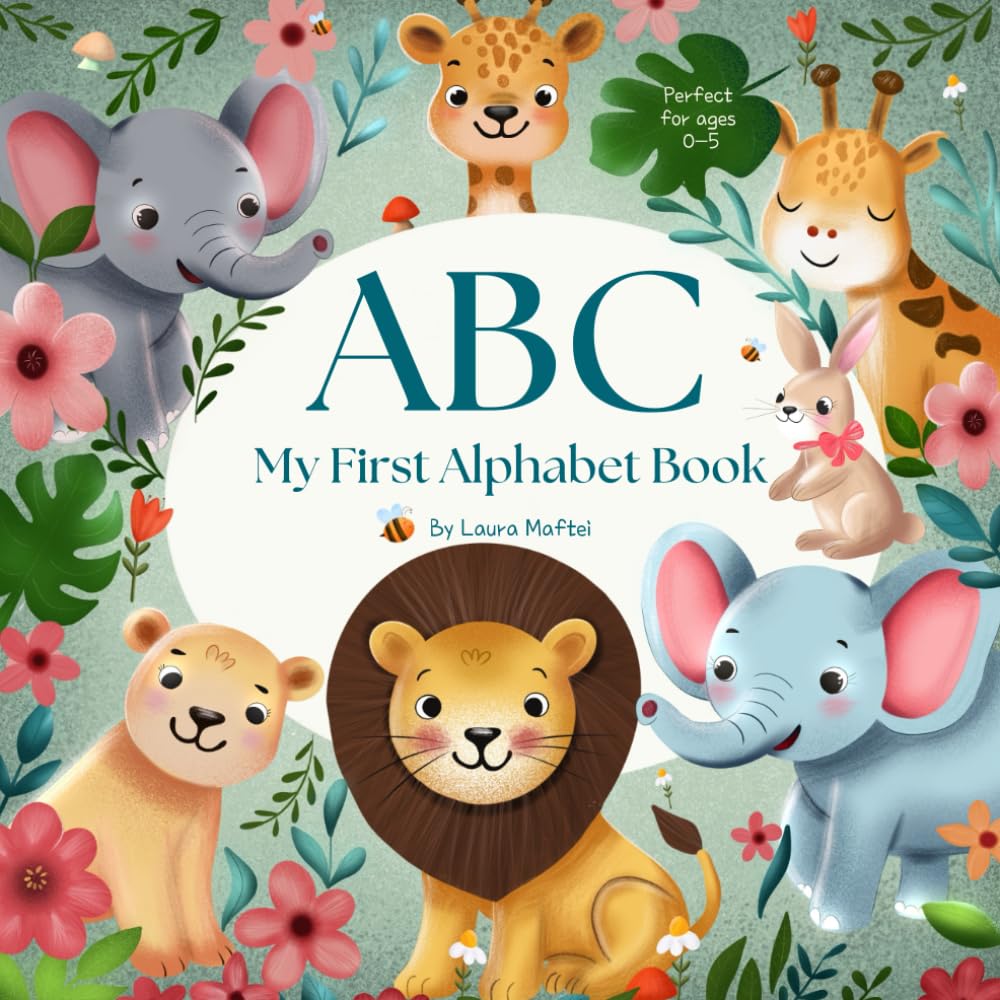
ABC: My First Alphabet Book... |

Build Muscle Get Lean: The Only Two Rule... |

Moneytopia: Earning: Financial Literacy ... |
|
|---|---|---|---|---|
| Price | $13.99 | $12.00 | $19.99 | $11.99 |
| Brand | 525 Design Co | Laura Maftei | Romeo Jeremiah Clayton | Dr. Shanshan Peer MBA |
| Merchant | Amazon | Amazon | Amazon | Amazon |
| Availability | In Stock | In Stock | In Stock | In Stock |