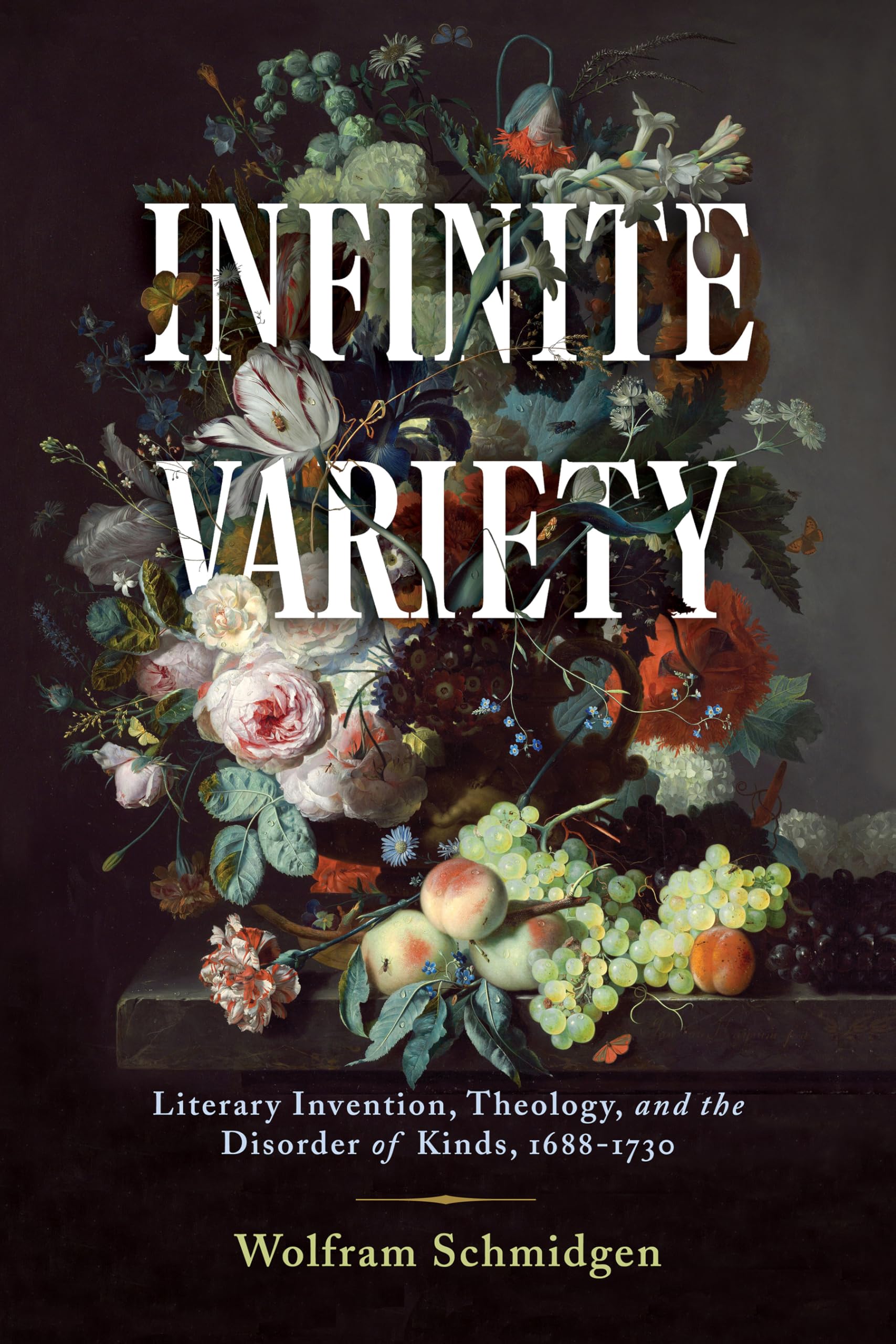
Infinite Variety: Literary Invention, Theology, and the Disorder of Kinds, 1688-1730
$55.93
| Brand | Wolfram Schmidgen |
| Merchant | Amazon |
| Category | Books |
| Availability | In Stock |
| SKU | 0812253299 |
| Age Group | ADULT |
| Condition | NEW |
| Gender | UNISEX |
| Material | Cellulose-based or similar non-woven material |
About this item
Infinite Variety: Literary Invention, Theology, and the Disorder of Kinds, 1688-1730
Unnerved by the upheavals of the seventeenth century, English writers including Thomas Hobbes, Richard Blackmore, John Locke, Jonathan Swift, and Daniel Defoe came to accept that disorder, rather than order, was the natural state of things. They were drawn to voluntarism, a theology that emphasized a willful creator and denied that nature embodied truth and beauty. Voluntarism, Wolfram Schmidgen contends, provided both theological framework and aesthetic license. In Infinite Variety , he reconstructs this voluntarist tradition of literary invention. Once one accepted that creation was willful and order arbitrary, Schmidgen argues, existing hierarchies of kind lost their normative value. Literary invention could be radicalized as a result. Acknowledging that the will drives creation, such writers as Blackmore and Locke inverted the rules of composition and let energy dominate structure, matter create form, and parts be valued over the whole. In literary, religious, and philosophical works, voluntarism authorized the move beyond the natural toward the deformed, the infinite, and the counterfactual. In reclaiming ontology as an explanatory context for literary invention, Infinite Variety offers a brilliantly learned analysis of an aesthetic framed not by the rise of secularism, but by its opposite. It is a book that articulates how religious belief shaped modern literary practices, including novelistic realism, and one that will be of interest to anyone who thinks seriously about the relationship between literature, religion, and philosophy. "This book is a striking achievement, confident in its abstractions and their utility in illuminating a shared intellectual and aesthetic preoccupation." ― Modern Philology "Infinite Variety makes for an interesting conversation with science studies where the influence of Francis Bacon and Newton create the assumption of a more ordered world (with its epistemologies richly described in Michel Foucault’s still useful The Order of Things . The book opens up ways of seeing, thinking, inventing, and writing that the history of science and epistemology has not addressed. In reading this book, one realizes that the paradigm of inherent meaning in the natural world comes with contested shadow views and contrasts. The conversation, then, between works such as Powell’s and Schmidgen’s shows that ontology and epistemology remain robust fields for scholars of eighteenth-century literature and culture." ― SEL Studies in English Literature 1500-1900 "Part of the recent movement in eighteenth-century studies to resist the teleological secularization narrative that has governed much of the literary and cultural criticism in the field, Infinite Variety is also one of the most stimulating, original, and erudite books I've read in some time. Wolfram Schmidgen makes a cogent, compelling, and historically grounded case for the imaginative power of literature at a moment of epistemological crisis." ― Helen Deutsch, University of California Los Angeles "In Infinite Variety, Wolfram Schmidgen offers a fresh perspective on literary invention in late seventeenth- and early eighteenth-century England...[T]he perspective of this book is generous and valuable and...readers of all persuasions interested in the early modern history of literature, culture and ideas will be thankful to it for its fertile insights and provocations." ― The Seventeenth Century Wolfram Schmidgen is Professor of English at Washington University in St. Louis and author of Exquisite Mixture: The Virtues of Impurity in Early Modern England, also available from University of Pennsylvania Press. Introduction Infinite Variety offers an intellectual history of literary invention in the late seventeenth and early eighteenth centuries. It argues that the religious, political, and scientific revolutions of the preceding half century changed the way writers thought about the relationship between order and invention. Jointly, these revolutions helped foster the sense of a disorder of kinds that challenged the hierarchies that had seemed to organize nature and society. This sense converged around the mushrooming of new religious kinds in the seventeenth century (Quakers, Seekers, Ranters, Muggletonians, Deists, Socinians, etc.); the emergence of political parties in the 1680s and 1690s (Whig, Tory, Country, Low Church, High Church); the booming discovery of new animals and plants from distant and not-so-distant locations; and the demonstration by scientists that new kinds could be created experimentally. For many observers, these developments suggested that social and natural kinds might be irreducibly various, their creation arbitrary, and their hierarchies contingent. Human and divine invention appeared boundless. Toward the end of the seventeenth century, many thinkers began to ask some nervous questions. Were the kinds and the hierarchies we have placed them in real entities in the world or merely human project
| Brand | Wolfram Schmidgen |
| Merchant | Amazon |
| Category | Books |
| Availability | In Stock |
| SKU | 0812253299 |
| Age Group | ADULT |
| Condition | NEW |
| Gender | UNISEX |
| Material | Cellulose-based or similar non-woven material |
Similar Products




Compare with similar items

Guide de l'enseignant certifié Ocean Lov... |
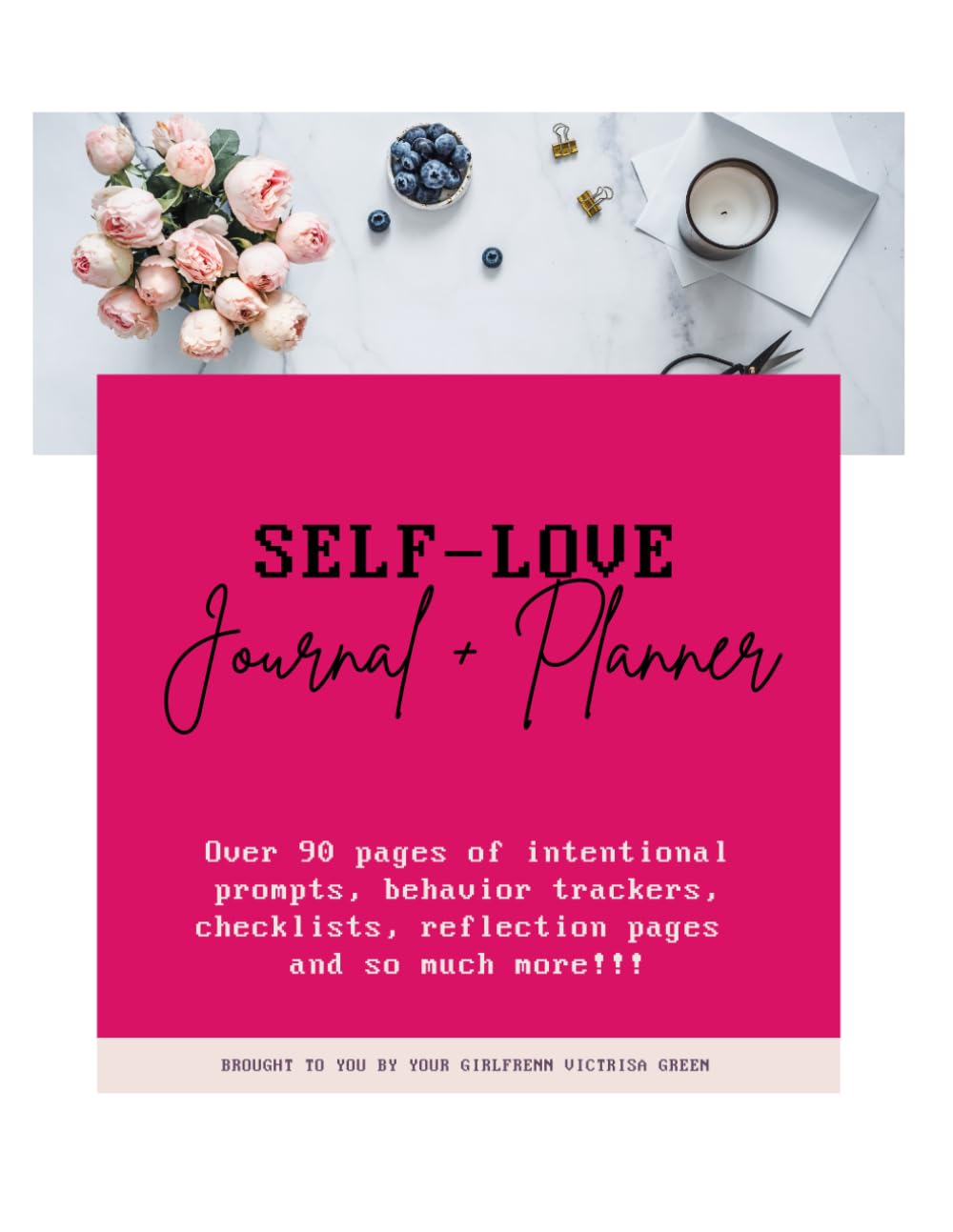
Self - Love Journal and Planner... |

Mom, Dad, Me, and Classic TV - Growing U... |

The Sandhill Crane Adventures: Journey o... |
|
|---|---|---|---|---|
| Price | $10.83 | $29.99 | $38.00 | $11.95 |
| Brand | Genevieve Young | Victrisa K Green | Peter K. Ackerman | Cindy Hadley |
| Merchant | Amazon | Amazon | Amazon | Amazon |
| Availability | In Stock | In Stock | In Stock | In Stock |