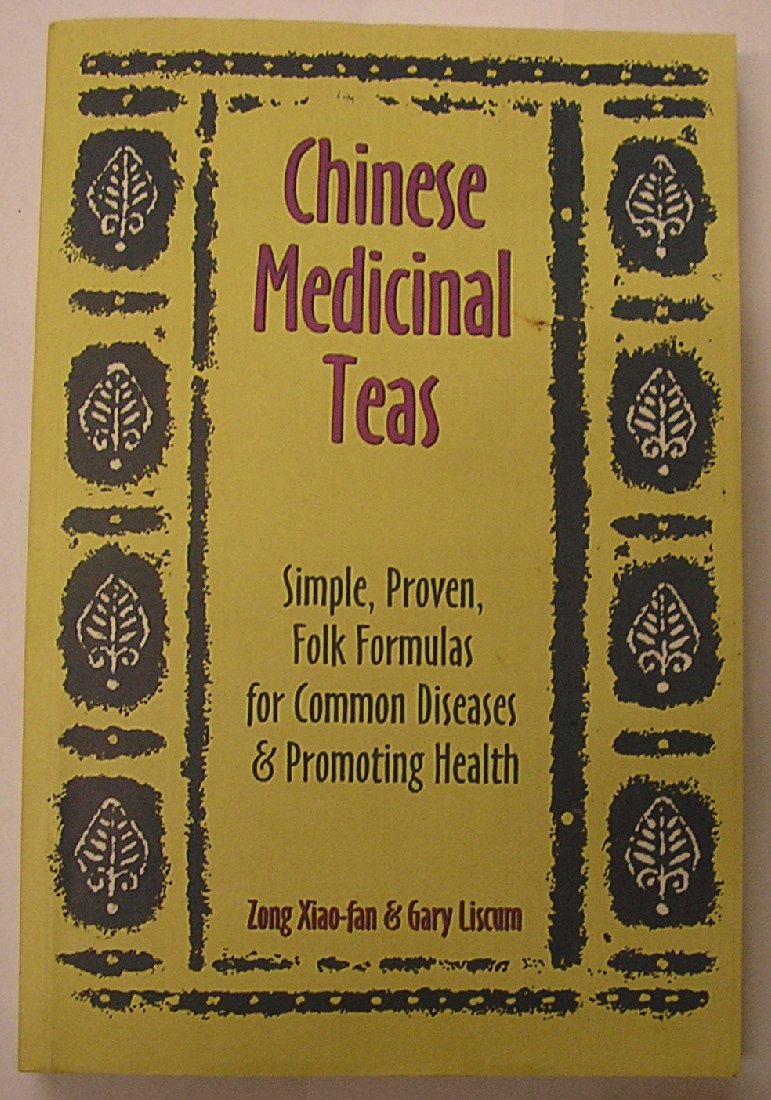
Chinese Medicinal Teas: Simple, Proven, Folk Formulas for Common Diseases & Promoting Health
$24.95
| Brand | Gary Liscum |
| Merchant | Amazon |
| Category | Books |
| Availability | In Stock Scarce |
| SKU | 0936185767 |
| Age Group | ADULT |
| Condition | NEW |
| Gender | UNISEX |
About this item
Chinese Medicinal Teas: Simple, Proven, Folk Formulas for Common Diseases & Promoting Health
Medicinal teas are a great complement to acupuncture and a simple, effective introduction to Chinese herbal medicine. The teas in this book are simple, containing only one, two, or three ingredients. While multi-ingredient decoctions are infamous for their bitter taste, these teas are mostly mild, pleasantly or neutrally flavored, and are quick and easy to prepare. Most contain either green or black tea, white or brown sugar, and one or two Chinese medicinal herbs. The ingredients are steeped in boiling water and then drunk as a healing beverage throughout the day. "Chinese Medicinal Teas describes a variety of herbal teas for treating various conditions. This book is designed for anyone with a knowledge of TCM patterns analysis. For lay readers the authors suggest to match up not only the disease indications, such as headache or vomiting, but also the other symptoms which go along with the TCM pattern for which each tea is suggested. The reader, after finding which tea fits his/her symptoms, simply follows the directions for making the herbal tea. The authors list the ingredients to use and give directions on how the tea should be made and administered. After each recipe, the authors indicate the function of the tea with relation to the organ [it treats]. For readers interested in buying the ingredients there are addresses of herbal companies in the last section of the book. There is also a small discussion on how to tell whether the tea is working well or not." -- Bastyr University, The Library Letter, Fall 1997 In Chinese Medicinal Teas, Zong Xiao-fan and Gary Liscum have created a compendium of simple, easy to make and take Chinese herbal remedies. Unlike Chinese medicinal decoctions with their dozens of exotic ingredients, long cooking time, and notoriously bitter taste, the folk recipes contained in this book mostly use only two, three, or four ingredients which only need to steep in boiling water. Many of these teas contain Camellia Thea or tea leaves, and many are sweetened with white or brown sugar or honey. The majority of ingredients in these teas are common foods or common herbs, while the remainder are easily ordered by mail. These teas can be used as simple home remedies or as daily beverages extending and adding to the effectiveness of other medical therapies. There are teas for both remedial treatment of already occurring disease as well as teas for the prevention of disease and the promotion of health and long life. In addition, there are teas for beautification and to retard the effects of aging. Chinese Medicinal Teas is meant for laypersons interested in experiencing the healing benefits of Chinese herbs and for professional acupuncturists and practitioners of Chinese medicine. It is a useful addition to anyone's library who is interested in Oriental methods of health and healing. This husband-wife team is a unique combination of clinical experience and translation expertise. Gary is graduate of the Institute of Traditional Medicine in Santa Fe, NM. He has been in practice in Greeley, CO since 1983. Zong Xiao-fan graduated from the Second Foreign Languages College in Beijing where she specialized in English language translation. The Advantages of Infusions over Decoctions One advantage to an infusion as opposed to a decoction is that it preserves the volatile oils and aromatic medicinal substances that are lost when certain ingredients are boiled. For instance, Mint (Herba Menthae Haplocalycis), Chrysanthemum flowers (Flos Chrysanthemi Morifolii), and Senna leaves (Folium Sennae) lose their medicinal strength if decocted and should only be infused or not be boiled for a very long period of time. Other substances which should not be boiled are the various gelatins such as Gelatinum Corii Asini, Gelatinum Plastri Testudinis, and Gelatinum Cornu Cervi. These should only be allowed to dissolve in boiling water. Secondly, patient compliance is typically higher with infusions than decoctions. Chinese herbal decoctions are notoriously bitter. There is even a saying in Chinese which goes to the effect that, "The bitterer the brew, the better the medicine." Although that may be the case, medicine is useless if the patient refuses to drink it. Infusions are usually much milder in taste than decoctions and, therefore, patients often will drink them more readily. Another consideration is that infusions are quicker to prepare. During the short steeping time required, patients do not have to worry about their herbs boiling away or boiling over. Thus the relative ease of preparing infusions also makes them suitable for fast-paced, busy modern Westerners. Used Book in Good Condition
| Brand | Gary Liscum |
| Merchant | Amazon |
| Category | Books |
| Availability | In Stock Scarce |
| SKU | 0936185767 |
| Age Group | ADULT |
| Condition | NEW |
| Gender | UNISEX |
Similar Products


Compare with similar items

Flack & Flame - Through the Eyes of a B-... |
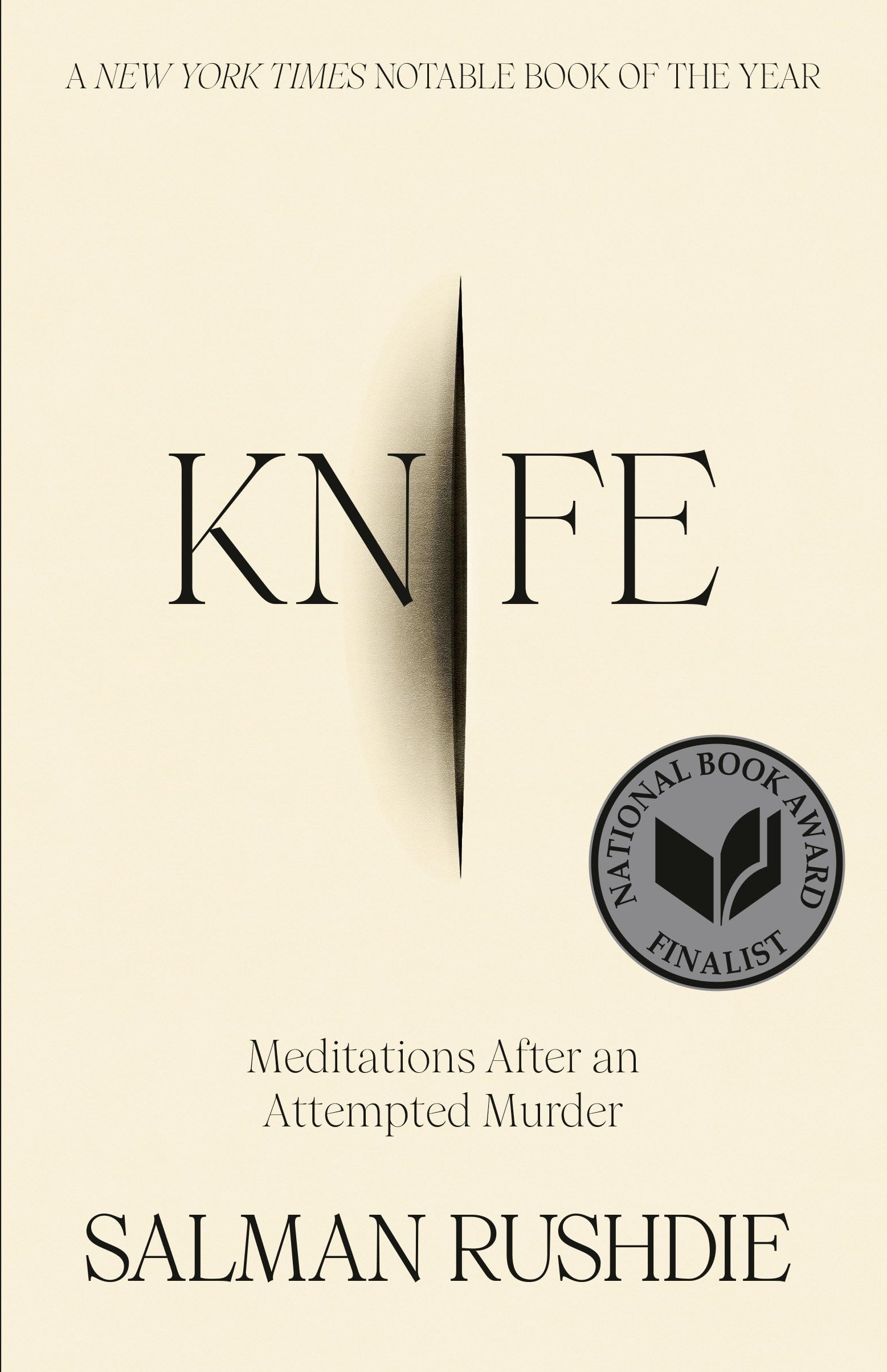
Knife: Meditations After an Attempted Mu... |

My Cars Coloring Book For Toddlers & Kid... |
The Discourses of Epictetus: BOOKS III a... |
|
|---|---|---|---|---|
| Price | $9.98 | $9.40 | $6.99 | $8.99 |
| Brand | Fred Williams | Salman Rushdie | BipBapBop | Epictetus |
| Merchant | Amazon | Amazon | Amazon | Amazon |
| Availability | In Stock | In Stock | In Stock | In Stock |