
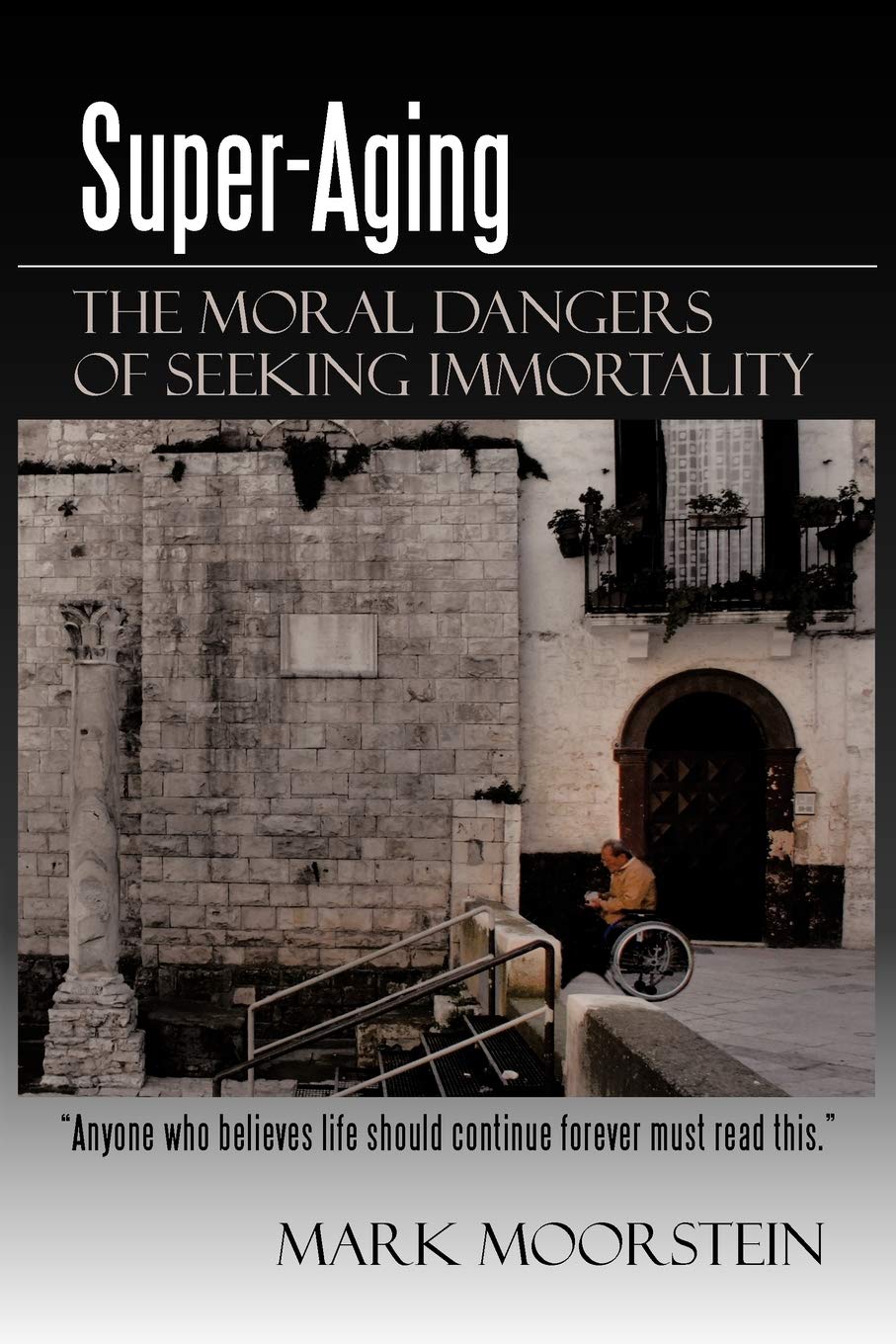
Super-Aging: The Moral Dangers of Seeking Immortality
$13.95
| Brand | Mark Moorstein |
| Merchant | Amazon |
| Category | Books |
| Availability | In Stock |
| SKU | 145022346X |
| Age Group | ADULT |
| Condition | NEW |
| Gender | UNISEX |
About this item
Super-Aging: The Moral Dangers of Seeking Immortality
Let's assume that science, through genetic and social engineering, will allow us to live a hundred or more years in reasonably good health, but with the burden of minor chronic disease. If life goes on for that long, however, will nature, God, or some faction of ourselves, bolster death to restore balance to the world? Will the super-elderly want to live that long? Because of the potential burdens, will only the elites enjoy the opportunity to super-age--and if so, will democracy and freedom suffer? Will the population weaken physically, mentally, and spiritually as it ages? Will the young, pushed out by a flood of geezers, revolt? We can't help but view our existence through the many frameworks of life and death, regardless of whether we call them aging, science, naturalism, religion, spiritualism, or super-naturalism. Where does human life begin and end? At the level of the gene, the cell, the individual human, or society--or the unknown? If we super-age--as it appears we will--what will happen to the balances we strike? Chapter I A Long Life The wise man lives as long as he should, not as long as he can. -- Seneca To every thing there is a season, and a time to every purpose under heaven: A time to be born, and a time to die; ... -- Ecclesiastes In lectures and in his book, gerontologist Aubrey de Grey contends that aging is like malaria and other diseases -- a scourge. "Old people are people, too!" he argues passionately -- aging kills 100,000 people a day. To critics of super-aging who ask how a future society will handle the population age imbalance or the resources immortals will consume, he responds that while the concerns are legitimate, they don't outweigh the merits of saving so many lives and alleviating so much suffering. To those who worry about children and grandchildren who will have to fight to exist and then support the super-elderly decades or even centuries beyond normal old age, he simply casts them off by objecting, morally, to anyone's right to tell a future "speculative" society how to behave. As one of his supporters maintains: [O]ne of the immediate concerns I hear is ... the planet ... running out of resources. Personally, I am convinced that when this problem arrives we will solve it, and that there are a variety of ways that this could be done (much lower birth rates, higher density on this planet, moving into space and/or to other planets), so I am much more concerned with curing aging. I don't want to see any more of my friends or family die, and I would like to enjoy life as long as I want. De Grey's (almost Kantian) imperative -- to force society to do good without fretting about the consequences -- appeals to our natural desire to survive far into the future, to experience endlessly the richness of life, and to continue our journeys toward enlightenment. However, this imperative indulges those who believe that super-aging is a right. As we will examine in more depth, such a right presumes social priorities and imposes costs that may not reap benefits. The right to immortality therefore begs the very morality of the process de Grey wants to unleash: who deserves the super-priorities and super-expenses of super-aging? The consequences of man-made versus natural life-and-death systems are enormous for the planet. De Grey's laudable desire to alleviate suffering in the elderly -- not by death, but by super-aging -- easily could lead to unintended consequences. For example, if de Grey overrules natural regulation of the life-and-death system, promoting human immortality in the rigorously controlled settings necessary to support it, we may not leave our species the flexibility to cope with environmental events. The natural ability to adapt to disasters may cease and, in order to avoid extinction, we may find ourselves relying only on science to save us. If society fails to provide injections, or even the electricity to power dialysis machines, super-agers could survive for a century or two, only to die suddenly in droves. While we may lengthen our lives within tightly controlled environments, we also could corrupt natural balances on earth -- beginning with the strength of the wider population or the burdens we impose on our children. Perhaps we may fail to assume adequate regulatory control over nature or ignore, for mundane political reasons, the innocent and the worthy. Perhaps we may never control more than a little bit more of our own biological destinies. How will Mother Nature regard the bastardization of her countless balances? Perhaps Sherwin Nuland's critical retort to de Grey is right: "[I]t will not be a neutral or malevolent force that will do us in, but one that is benevolent in the extreme, one whose only motivation is to improve us and better our civilization." We must go farther in our examination. We must examine de Grey's premise that immortality is a moral right and that the imperatives to extend life -- and not let life terminate naturally -- co
| Brand | Mark Moorstein |
| Merchant | Amazon |
| Category | Books |
| Availability | In Stock |
| SKU | 145022346X |
| Age Group | ADULT |
| Condition | NEW |
| Gender | UNISEX |
Similar Products









Compare with similar items

The Ultimate Blackstone Griddle Cookbook... |

Gundown At Stillwater (A Justice On The ... |
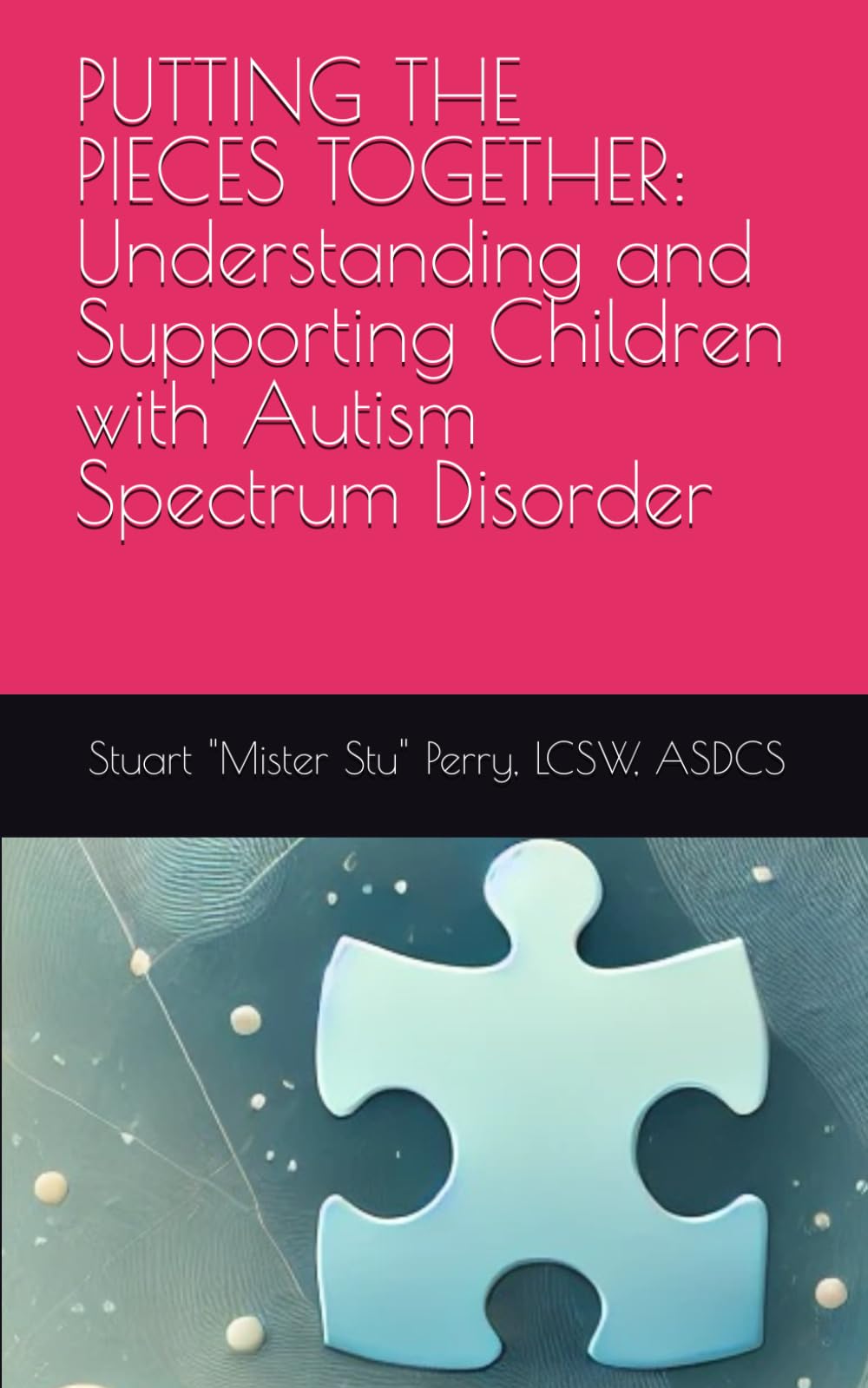
Putting the Pieces Together: Understandi... |
Student Study Guide to An Age of Empires... |
|
|---|---|---|---|---|
| Price | $15.50 | $6.99 | $9.99 | $10.64 |
| Brand | Darla Brill Author | Casey Nash | Stuart "Mister Stu" Perry LCSW | Marjorie Wall Bingham |
| Merchant | Amazon | Amazon | Amazon | Amazon |
| Availability | In Stock | In Stock | In Stock | Unknown Availability |