The Physical Body, the Spiritual Body
$11.99
| Brand | Ainsley Chalmers |
| Merchant | Amazon |
| Category | Books |
| Availability | In Stock |
| SKU | 1504304969 |
| Age Group | ADULT |
| Condition | NEW |
| Gender | UNISEX |
| Google Product Category | Media > Books |
| Product Type | Books > Subjects > Religion & Spirituality > Christian Books & Bibles > Christian Living > Self Help |
About this item
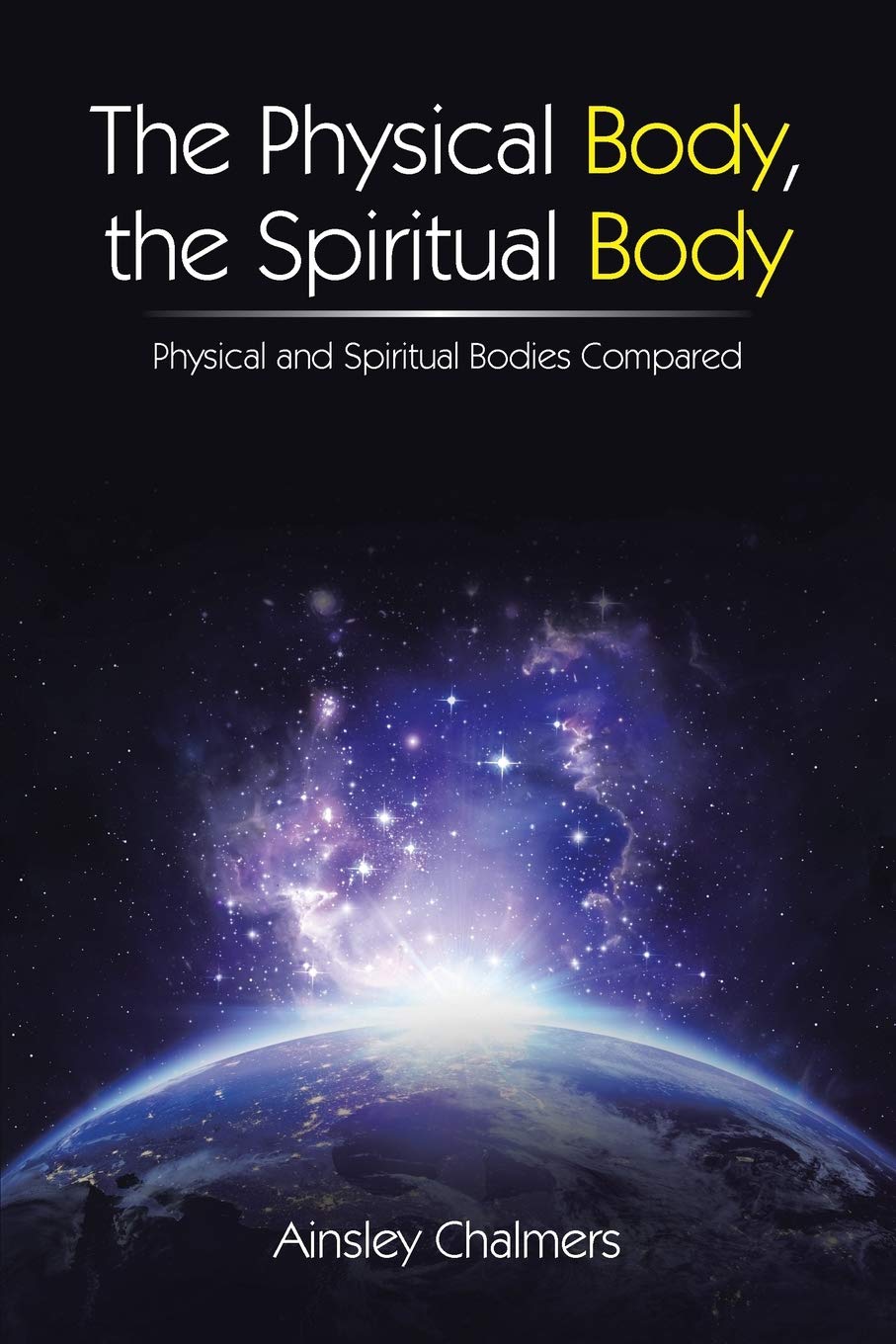
The Physical Body, the Spiritual Body
Many people, including scientists believe the disciplines of science and theology are separate, unrelated, and sometimes antagonistic. Science is perceived by most to be centered on the measurable, physical dimension while theology revolves around the invisible or spiritual. In The Physical Body, The Spiritual Body author Dr. Ainsley Chalmers provides evidence that the two disciplines can be intertwined. He describes a correlation between certain physical aspects of biological/medical research and how they pertain to Christian spirituality. He addresses aspects of gene structure and function, blood production and functions, gasses of life and their effects, various features of nutrition and malnutrition, properties of salt and finally how different systems within the human body cooperate and interact with each other. And then Ainsley discusses Christian salvation, young earth creationism versus naturalism, Christian growth and development through the word of God, erroneous science and theology, interactions within society and the Christian community. Finally, using his personal experiences as a scientist and committed Christian, Ainsley summarizes myths, truths and untruths present in both realms of science and theology. The Physical Body, The Spiritual Body Physical and Spiritual Bodies Compared By Ainsley Chalmers Balboa Press Copyright © 2016 Ainsley Chalmers All rights reserved. ISBN: 978-1-5043-0496-2 Contents Introduction, xi, Chapter 1 Genes, 1, Chapter 2 The Significance of Blood, 23, Chapter 3 Gases of Life and Death, 34, Chapter 4 Nutrition, 48, Chapter 5 The Significance of Salt, 60, Chapter 6 The Body as a Whole, 65, Chapter 7 Myths and Untruths, 82, CHAPTER 1 GENES (a). Scientific aspects Before launching into this complex section, certain definitions need to be established, because science is a language all its own. Molecules are chemical substances such as methane (CH4), one carbon atom combined with four hydrogen atoms. Sugar (C6H12O6) is another molecule comprising carbon, hydrogen, and oxygen atoms. Common salt (NaCl) is a molecule comprising sodium (Na) and chlorine (Cl) atoms. Polyvinyl chloride plastic or PVC comprises many hundreds of molecules of vinyl chloride (CH2CH-Cl) joined together chemically. Because it has many repeating units of vinyl chloride, it is called a polymer. Deoxyribonucleic acid or DNA is the genetic material of our cells. It is a polymer located mostly in the nucleus of our cells. It is an information molecule that determines who we are. For example, DNA gives information for brown or blue eyes, shortness or height, our weight, the colour of our hair, the shape of our mouths, the size of our ears, and many hundreds of other characteristics. DNA is described as a double helix because it looks like two strands of rope wound around each other. This rope strand of DNA is, for functional reasons, divided into smaller pieces called chromosomes. The information in DNA canbe likened to the information in a book, except the information in the DNA book is made up of only four letters — A, C, G, and T — that follow a specific order. These letters represent four different chemicals whose specific combinations work like a code, the genetic code, to describe us. The information in our DNA book directs our physical characteristics by prompting the body to make different proteins in varying amounts. There are forty-six volumes compromising the human DNA book. Each volume can be thought of as a chromosome, with the chapters being analogous to genes. Our cells have forty-six chromosomes, twenty-two from Dad and twenty-two from Mum. In addition, we each have an X volume from Mum, and another X volume from Dad (for a female child) or a Y volume (for a male child). Mum's ovum has twenty-two chromosomes plus an X, and Dad's sperm has twenty-two chromosomes plus either an X or a Y. Our physical characteristics are a mixture of Dad's and Mum's genes, so we usually look like our parents. For example, we may have Dad's nose and ears, Mum's eyes and hair, and so on. Returning to the book analogy, Dad's chromosome/volume 1 pairs with Mum's equivalent volume 1, his 2 with her 2, and so on. Sometimes, therefore, we are said to have twenty-three chromosome pairs (including the sex-determining X and Y chromosomes). Some animals have more, but most animals have fewer chromosomes than humans. Cells called parent cells divide to create two daughter cells. When the cell divides, the forty-six chromosomes have to be duplicated so the parent cell can hand down a complete set to each of the two daughter cells. Nearly all cells in the human body contain these chromosomes intact. (A few exceptions, like the red blood cells and platelets, have no DNA.) The chromosomes are identical in every tissue in our body, be it heart, lung, kidney, or muscle. So how does this information in our DNA make us who we are? Basically, some chapters in our DNA books code for p
| Brand | Ainsley Chalmers |
| Merchant | Amazon |
| Category | Books |
| Availability | In Stock |
| SKU | 1504304969 |
| Age Group | ADULT |
| Condition | NEW |
| Gender | UNISEX |
| Google Product Category | Media > Books |
| Product Type | Books > Subjects > Religion & Spirituality > Christian Books & Bibles > Christian Living > Self Help |
Similar Products






Compare with similar items
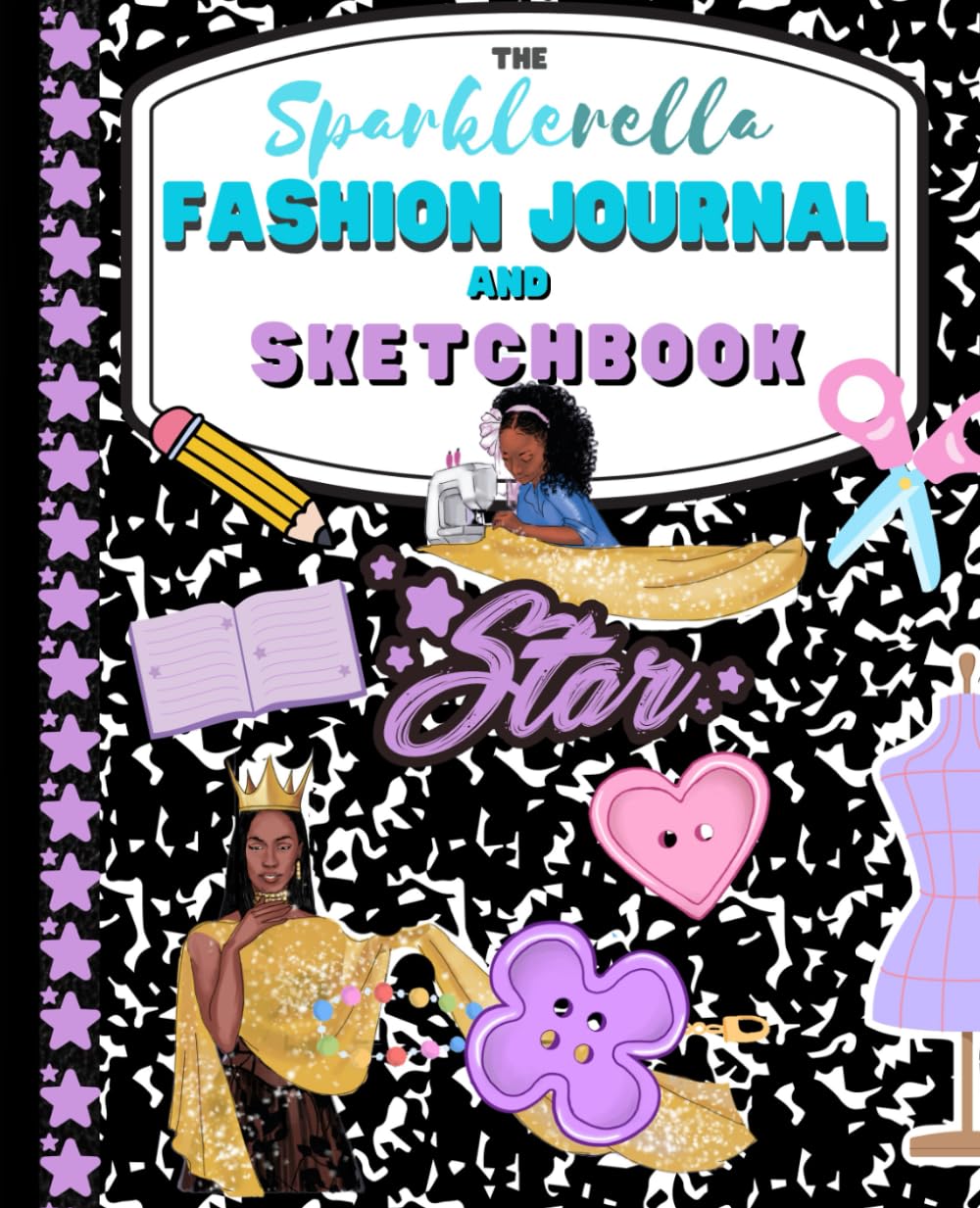
The Sparklerella Fashion Journal and Ske... |

Marvelous Flowers of Switzerland Colorin... |

Beyond Zombie Rule: Reclaiming Fiscal Sa... |
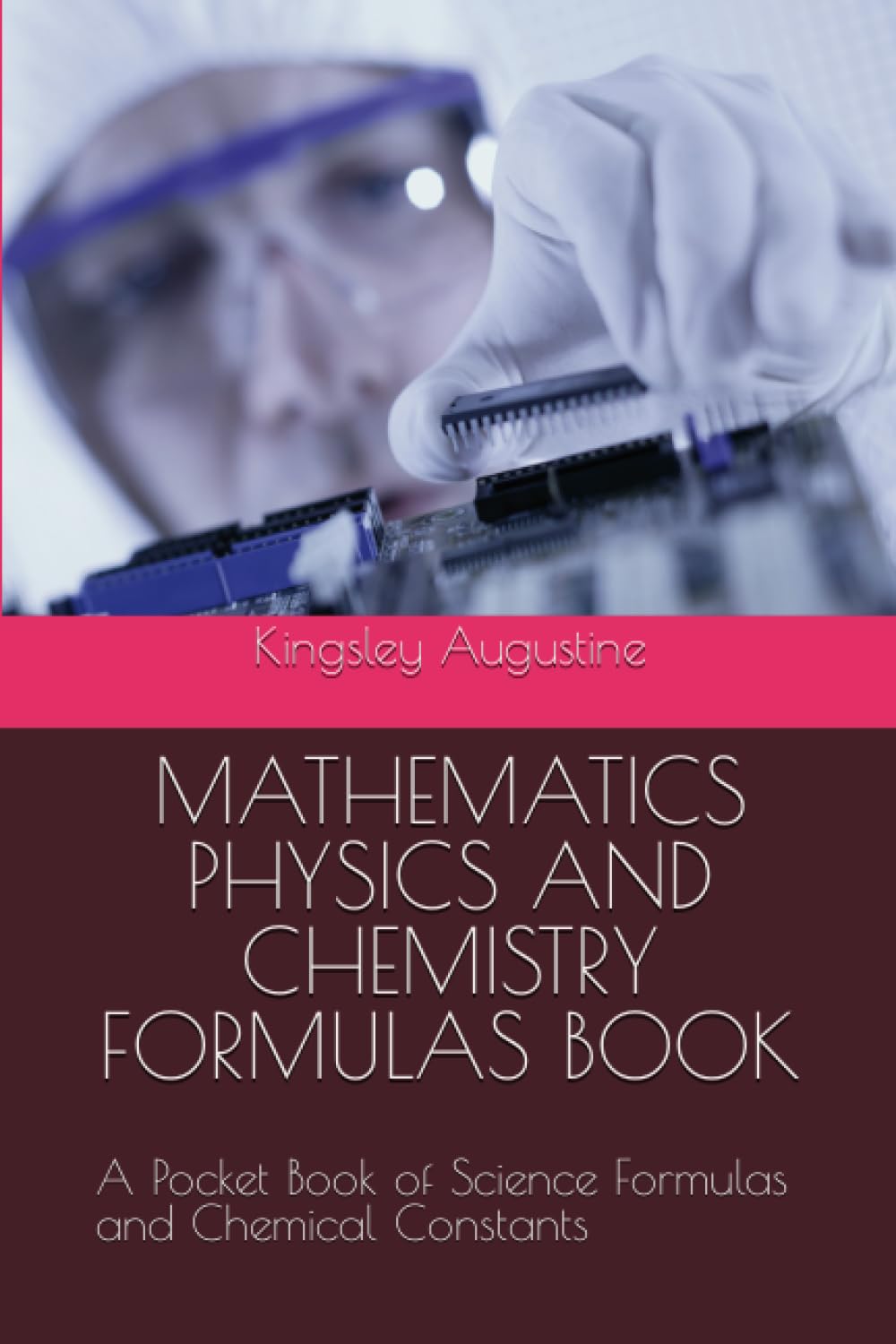
MATHEMATICS PHYSICS AND CHEMISTRY FORMUL... |
|
|---|---|---|---|---|
| Price | $8.99 | $10.99 | $15.95 | $12.99 |
| Brand | Selena N Alston | P.K. Mazur Arts | Gene Steuerle | Kingsley Augustine |
| Merchant | Amazon | Amazon | Amazon | Amazon |
| Availability | In Stock | In Stock | In Stock | In Stock |