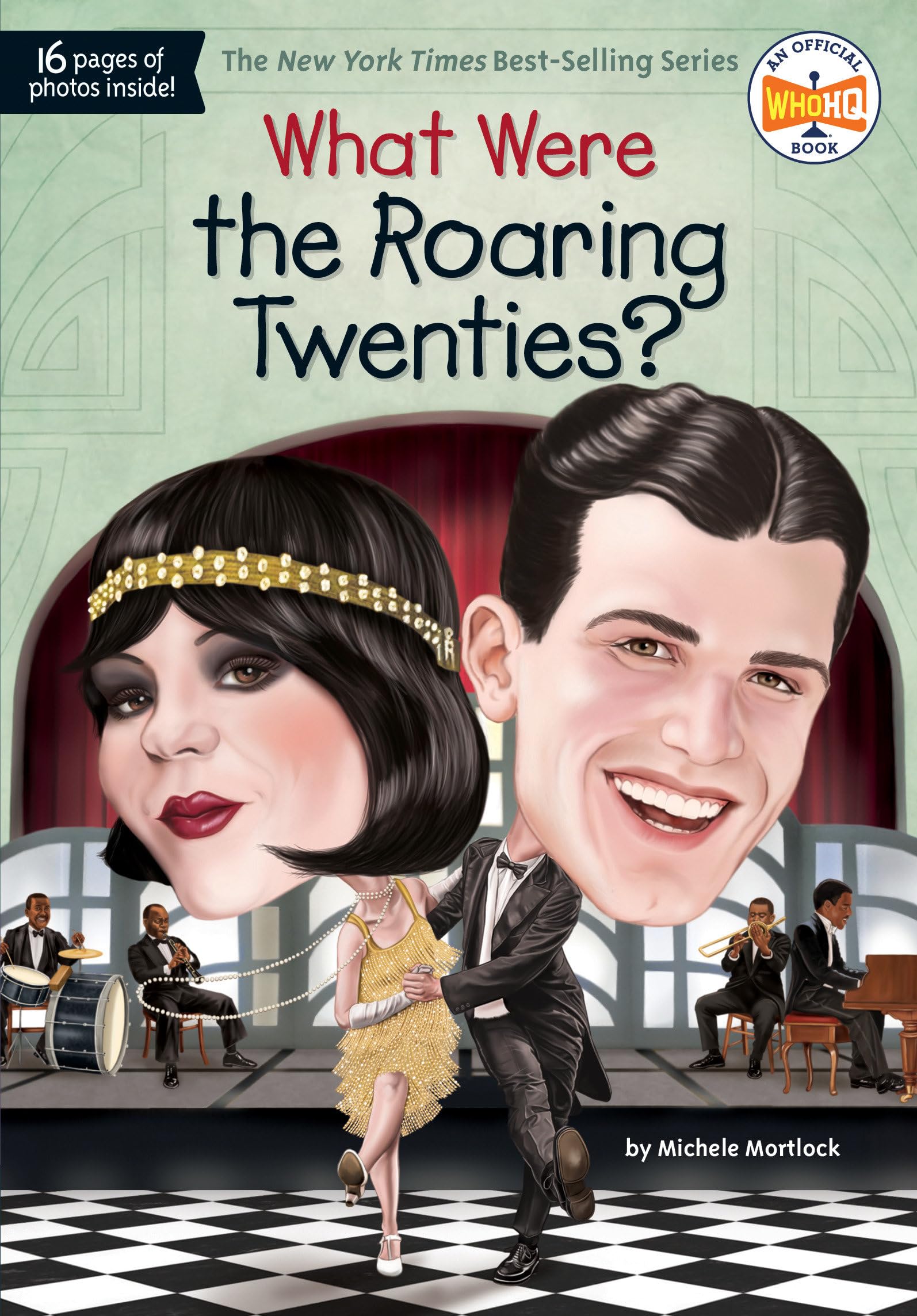
What Were the Roaring Twenties? (What Was?)
$15.99
| Brand | Michele Mortlock |
| Merchant | Amazon |
| Category | Books |
| Availability | In Stock Scarce |
| SKU | 152478639X |
| Color | Multicolor |
| Age Group | ADULT |
| Condition | NEW |
| Gender | UNISEX |
| Google Product Category | Media > Books |
| Product Type | Books > Subjects > Children's Books > Arts, Music & Photography > Music > Jazz |
About this item
What Were the Roaring Twenties? (What Was?)
Flappers, flag-pole sitting, and the Ford Model T--these are just a few of the things that instantly conjure up a unique era--the Roaring Twenties. It was the bees' knees, the cat's meow. If you're not familiar with 1920s slang, all the more reason to read this fascinating look at that wild, exciting decade. It began on the heels of one tragedy--the flu pandemic of 1918--and ended with another: the start of the Great Depression. But in between there were plenty of good times--the Model T cars that Henry Ford made were cheap enough for the masses, the new sound of jazz heated up speakeasies and nightclubs during the time of Prohibition. Women, recently given the right to vote, cut their long hair into bobs, wore short skirts and makeup, and danced the Charleston (sometimes in marathons that lasted days). Michele Mortlock hits all the highlights of this heady age that still feels modern even a hundred years later. Michele Mortlock is a lifelong history buff who is thrilled to be sharing her passion for learning about the past with others. This is her first children's book. She lives in Brooklyn, New York, with a fellow history lover and three indifferent cats. What Were the Roaring Twenties? Not every period in United States history is special enough to have a nickname. But the 1920s has more than one. These years are called the Roaring Twenties, the Jazz Age, and even the New Era. Why? What made this time so special? What made the twenties roar? It’s because these years were exciting . . . fun . . . dangerous . . . and even silly. There were crazy fads such as flagpole sitting, which started in 1924 when stuntman Alvin “Shipwreck” Kelly took a dare from a friend. He sat on top of a flagpole for thirteen hours and thirteen minutes. Soon Kelly was hired all across the United States to repeat the stunt. Other daredevils imitated him, competing for money. Records were set for twelve days, seventeen days, and even twenty-one days, with food sent up in baskets. Huge crowds gathered to watch. There were also dance marathons, often called “bunion derbies” or “corn and callus carnivals.” For twenty-five cents, spectators watched couples dance for hours, days, or sometimes even weeks. After a while, all that contestants could do was shuffle their feet or cling to the necks of their partners and be dragged along. All to earn the first-place prize money. The twenties also were known for thrilling feats of a more important nature. In 1927, pilot Charles Lindbergh became the first to f ly nonstop across the Atlantic Ocean—and he did it all alone in a small plane that didn’t even have a parachute. Most of all, the 1920s were famous for good times—listening to jazz bands in nightclubs, dancing the Charleston, dashing around in newly affordable automobiles, and following the lives of glamorous Hollywood movie stars. However, the good times didn’t last. On October 29, 1929, it all came crashing down, in an abrupt and terrible end. Chapter 1: After the Great War The 1920s certainly didn’t start out being a whole lot of fun. In the beginning of the decade, the United States was recovering from two terrible disasters. The first was World War I, which ended in 1918 with over seventeen million people dead, both soldiers and civilians. The United States joined the war near the end, but in only nineteen months, more than one hundred thousand US soldiers were killed fighting overseas and another two hundred thousand were wounded. Then a different, totally unexpected enemy appeared: the Spanish flu. This deadly strain of the flu virus spread quickly around the world. It killed 675,000 people in the United States, far more than the war had. The flu killed very quickly, within hours or days. Most of its victims were young, healthy adults. New Yorker Lillian Goldsmith often recalled that her sister Vivian “was dancing at a party on Friday and dead on Monday.” At first, the symptoms seemed like any other flu, with fever and headaches. Sometimes patients recovered. But if they didn’t, their lungs and internal organs were destroyed, and their bodies would turn blue. There was no cure. After so much tragedy, many people—especially the young and the returning soldiers—were desperate to have a good time. They blamed the horrible war on the older generation. Now was the time to leave the past behind. It took a little while for the twenties to really roar. After the war, the US economy went into a slump. Factories that once had been working overtime to provide weapons and supplies for American troops closed. Companies went out of business. People lost their jobs. Returning soldiers looking for work added to the numbers of unemployed. The government, however, found ways to help. And by 1921, the economy turned around. There were more jobs, which put more money in the pockets of the American public. A spending boom began. The New Era had arrived. Chapter 2: Women Vote
| Brand | Michele Mortlock |
| Merchant | Amazon |
| Category | Books |
| Availability | In Stock Scarce |
| SKU | 152478639X |
| Color | Multicolor |
| Age Group | ADULT |
| Condition | NEW |
| Gender | UNISEX |
| Google Product Category | Media > Books |
| Product Type | Books > Subjects > Children's Books > Arts, Music & Photography > Music > Jazz |
Similar Products







Compare with similar items

Singularity: Mankind's Search for Releva... |

Goldilocks and the Three Dinosaurs: As R... |
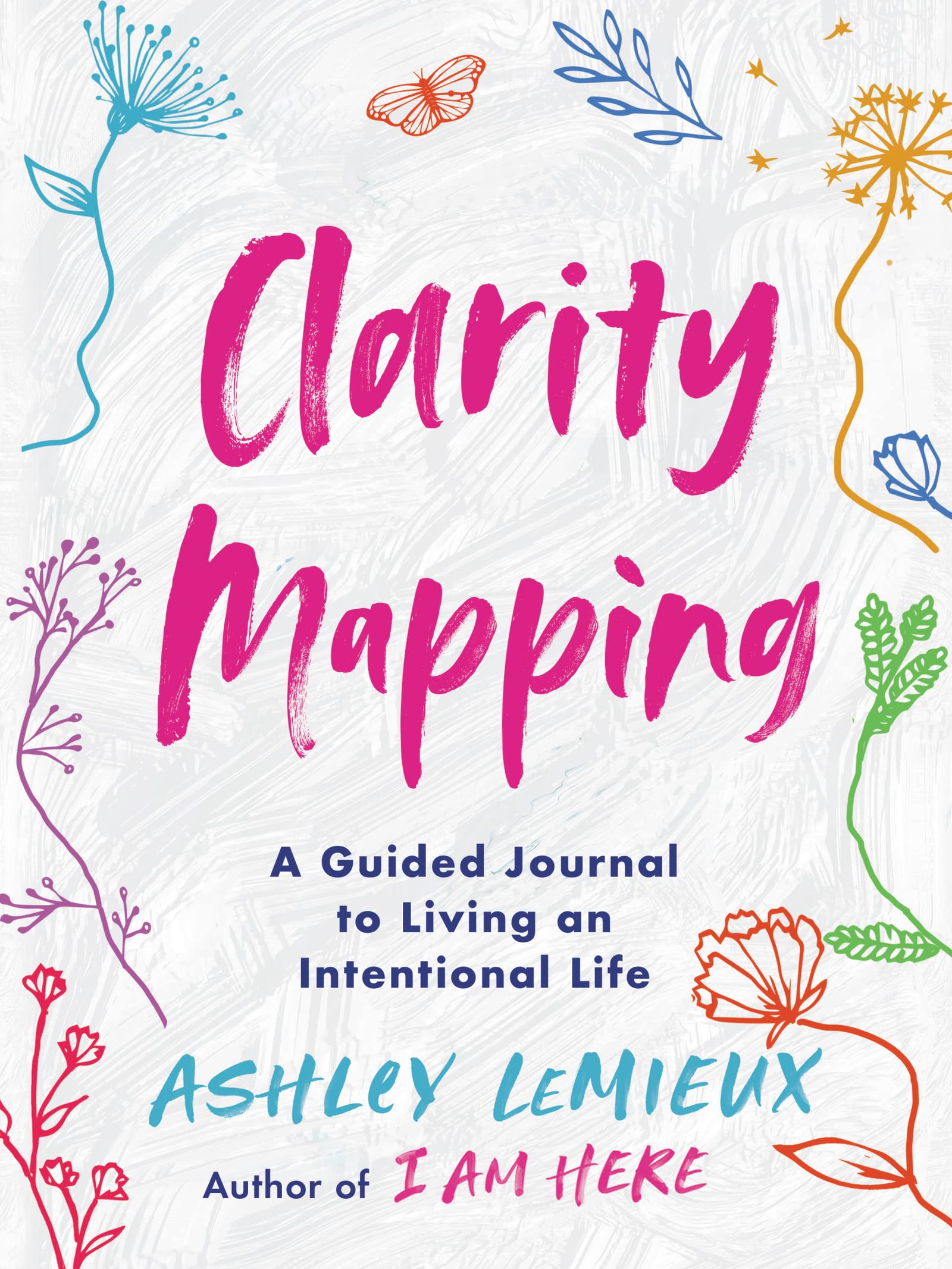
Clarity Mapping: A Guided Journal to Liv... |

The Truth in True Crime Investigator's G... |
|
|---|---|---|---|---|
| Price | $35.00 | $11.97 | $8.75 | $19.99 |
| Brand | Gary Otto | Mo Willems | Ashley LeMieux | J. Warner Wallace |
| Merchant | Amazon | Amazon | Amazon | Amazon |
| Availability | In Stock | In Stock | In Stock | In Stock |