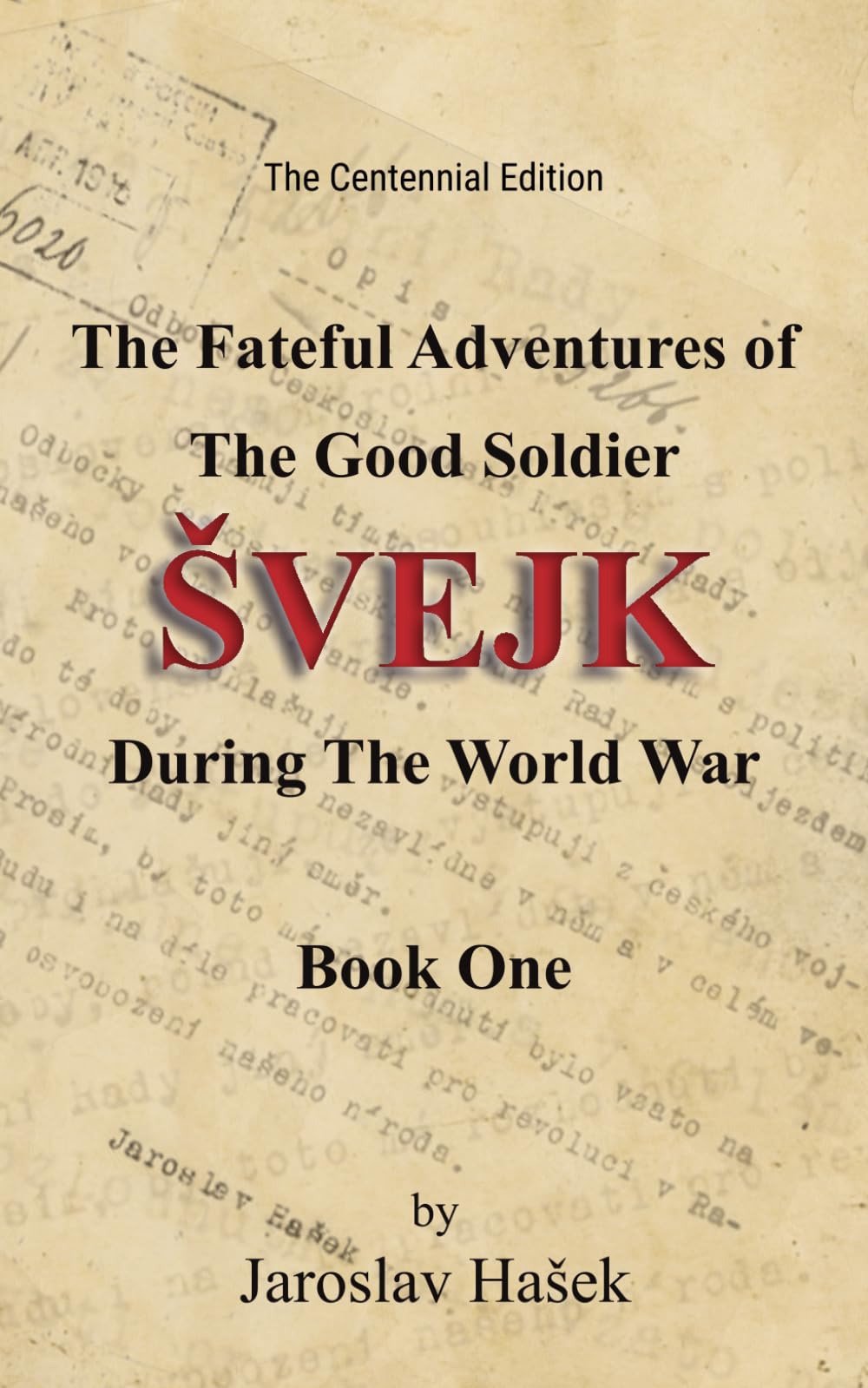
The Fateful Adventures of the Good Soldier Švejk During the World War, Book One (The Centennial Edition)
$16.99
| Brand | Jaroslav Hašek |
| Merchant | Amazon |
| Category | Books |
| Availability | In Stock |
| SKU | B0DBVXQHNP |
| Age Group | ADULT |
| Condition | NEW |
| Gender | UNISEX |
About this item
The Fateful Adventures of the Good Soldier Švejk During the World War, Book One (The Centennial Edition)
Josef Švejk [sh-vake] is a fictitious Czech veteran of the Austro-Hungarian army. After the outbreak of World War One, he's drafted back into the army as cannon fodder to die for an Emperor he despises. In Book One, Jaroslav Hašek paints a picture of a society transitioning from the "normal" state on the way to catastrophe. He does it by weaving stories and fragments of tales of familiar archetypes of people and their institutions without any apparent rhyme or reason. Hašek is at his best when he describes the absurd situations in the lives of ordinary people, entangled in systems designed to keep them down or destroy them. Švejk survives, and uncovers the stupidity with his cunning and wit. He is a master in the art of survival "non plus ultra". Despite the often mentioned literary influences, The Good Soldier Švejk is a novel that is far more inspired by Jaroslav Hašek's real life than any Cervantes or Rabelais. His detailed narratives of events ranging from mealtime preparations and drinking binges to religious rituals, the Catechism, and confinement in a lunatic asylum are mostly based on his personal experiences. Švejk's route to the war front largely corresponds to the author's journey to the battlefield in Galicia during the early days of July 1915. Hašek 's diverse background and immense knowledge is obvious throughout the novel, bringing such a strong flavor of validity to a work o fiction that it can, to some degree, be read as a historical document. Jomar Hønsi, President of the World Society of Jaroslav Hašek: "I have been through five translations in various languages. This new translation by Zenny Sadlon is no doubt the best there is in English." "In a world where the greedy and ambitious slam the public from crisis to crisis," wrote on Christmas Eve of 2000 Bob Hicks in the Portland Oregonian, "gratuitously wrecking daily life as they destroy states and pull down civilizations, Švejk represents the underground -- a passive-aggressive resister who beats the rules of the game by applying his own crazy logic to them. …Unlike K., fellow Czech Franz Kafka's stunted stand-in for modern intellectual man, the rascal Švejk belongs to the men and women of the workaday world — the bartenders, cleaning women, gamekeepers, petty larcenists, lathe operators, janitors, drunkards, office workers, shopkeepers, undertakers, adulterers, nightclub bouncers, butchers, farmers, cab drivers and others who populate Hašek's imagination as they stumble through the lunacies of the first World War." All those people and many like them still populate our world today. They’ve been labeled “deplorables” and have proudly taken that insult as their nom de guerre . The increasing number and burden of absurdities they deal with is putting them in a position to relate to and viscerally understand Švejk, i.e. the book, the character, and the method. “The Good Soldier Švejk, in fact, is a truly great satire (perhaps the greatest of them all) on the most central feature of social life in the past century and a half (at least) in most modern industrialized countries—the ubiquitous presence of huge, labyrinthine bureaucratic structures ostensibly set in place to make modern society more efficient, equal, and fair, but, in fact, reducing life for those who have to deal with them to what often amounts to an incomprehensible and out-of-control game whose major players never tire of announcing in noble-sounding prose and stirring poetry the importance of the structure and its alleged purpose but who, in their daily practice, show no signs of any significant humanity in dealing with subordinates or those whom the bureaucracy is supposed to serve. That target is something we all understand (because we have to deal with it, no matter where we live), and thus the impact of this satire extends well beyond the particular social and political realities of the world it depicts.” - Ian Johnston Readers familiar with Hašek's satirical Czech novel of war and survival only from earlier English translations will likely be jolted by Sadlon's version, first published in 2000 and here updated in a new edition to mark the centennial of Hašek's 1923 death, which left the serialized novel unfinished. Often printed in the west with an emphasis, in both translation and critical assessment, on protagonist Švejk's good humor even as he gets impressed into becoming cannon fodder in the first World War, Hašek's masterpiece is revealed, in Sadlon's handling, as a book of greater bite, heft, and complexity. The broad strokes of this first book (of three) have not changed: After the assassination of Archduke Franz Ferdinand in 1914, the soldier Švejk finds himself interrogated and institutionalized in response to rambling remarks made about the Austrian emperor over a pub feast of "five beers and one roll with a sausage." Upon his release, Švejk receives a summons to a medical examination to determine his fitness to fight in the coming war. He deman
| Brand | Jaroslav Hašek |
| Merchant | Amazon |
| Category | Books |
| Availability | In Stock |
| SKU | B0DBVXQHNP |
| Age Group | ADULT |
| Condition | NEW |
| Gender | UNISEX |


Compare with similar items

Cottage Core Coloring Book: A Tranquil E... |
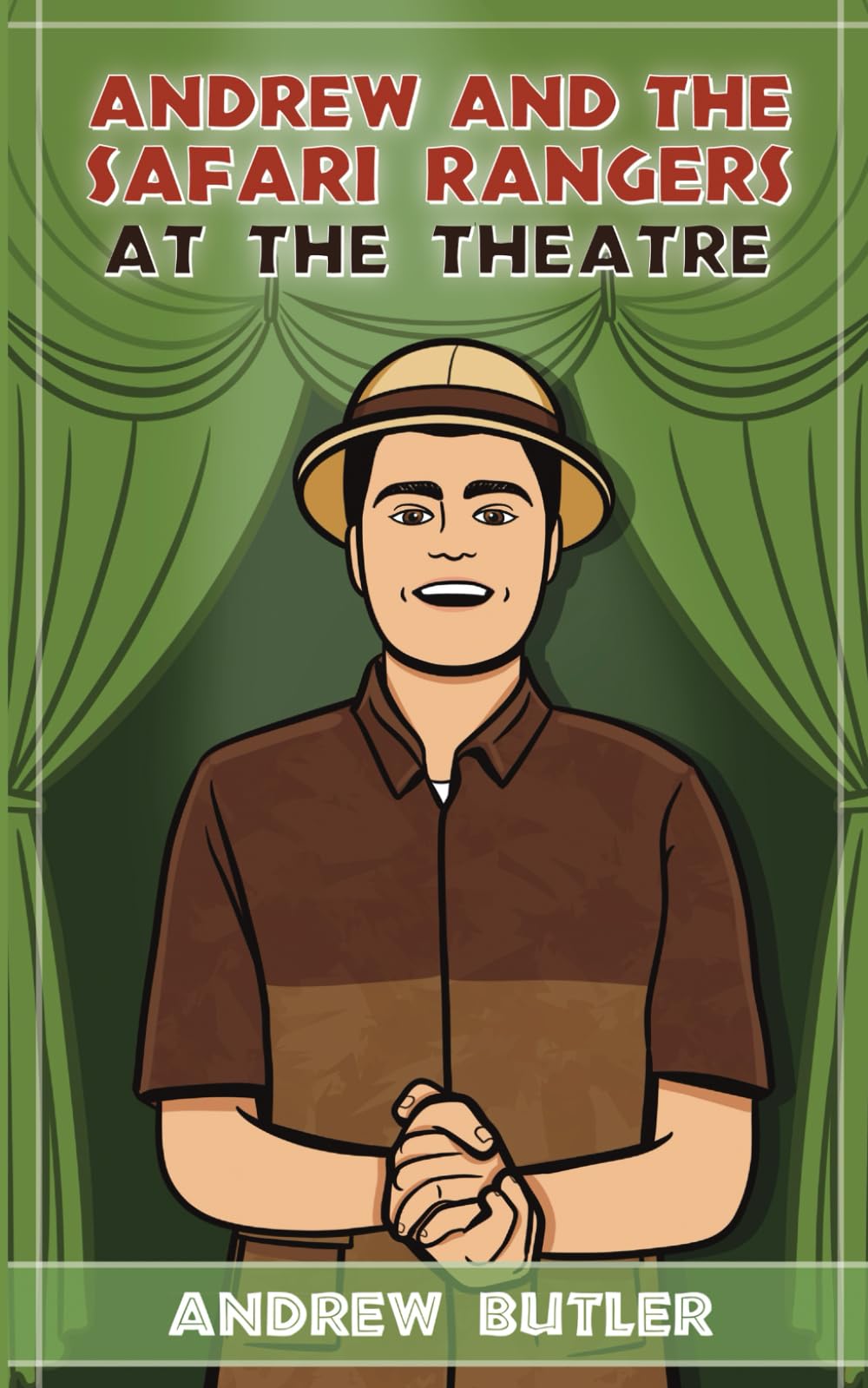
Andrew and the Safari Rangers at the The... |
Texas Rules of Appellate Procedure 2024:... |
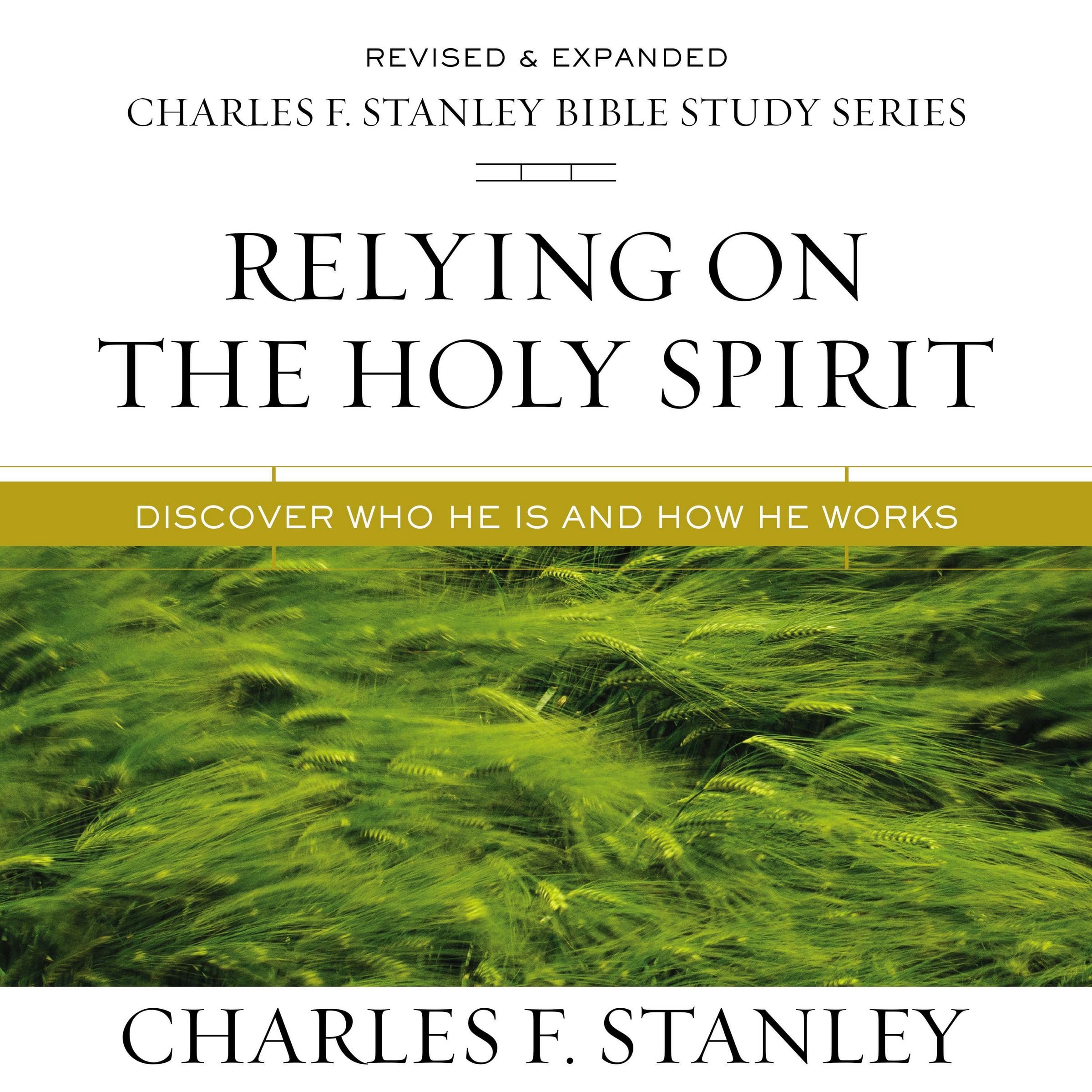
Relying on the Holy Spirit: Audio Bible ... |
|
|---|---|---|---|---|
| Price | $8.95 | $4.99 | $19.99 | $38.13 |
| Brand | Megan Hoskins | Andrew Butler | Texas State Legislature | Charles F. Stanley |
| Merchant | Amazon | Amazon | Amazon | Amazon |
| Availability | In Stock | In Stock | In Stock | In Stock |