
Smart Parenting During and After Divorce: The Essential Guide to Making Divorce Easier on Your Child
$24.00
| Brand | Peter J. Favaro |
| Merchant | Amazon |
| Category | Books |
| Availability | In Stock |
| SKU | 0071597557 |
| Age Group | ADULT |
| Condition | NEW |
| Gender | UNISEX |
| Google Product Category | Media > Books |
| Product Type | Books > Subjects > Self-Help > Relationships > Conflict Management |
About this item
Smart Parenting During and After Divorce: The Essential Guide to Making Divorce Easier on Your Child
Invaluable parenting advice on how to coparentduring and after divorce, from a sought-after expert on parenting topics As a court-appointed child custody evaluator for 15 years, Dr. Peter Favaro is uniquely qualified to write this must-have guide for parents going through divorce. A child psychologist, he understands the effects divorce can have on families, especially when difficult exes, lawyers, visitation schedules, and other issues directly affect the child. Favaro addresses 50 essential topics inshort, easy-to-read chapters, including 100 dos and don’ts that will make things easier on your child--and better for your family. Peter J. Favaro, Ph.D. , is a psychologist and executive director of Smart Parenting: The Family Center, which provides court services to high-conflict individuals and families. He has handled more than six thousand custody cases in the state of New York. Peter J. Favaro, Ph.D. , is a psychologist and executive director of Smart Parenting: The Family Center, which provides court services to high-conflict individuals and families. He has handled more than six thousand custody cases in the state of New York. Smart Parenting During and After Divorce By PETER J. FAVARO The McGraw-Hill Companies, Inc. Copyright © 2009 Peter J. Favaro All right reserved. ISBN: 978-0-07-159755-5 Contents Chapter One Topic 1 Smart Parenting During and After Divorce Most parents know that the quality of their relationship with one another during and after the divorce process will influence the psychological adjustment of their children—but often they forget it. I ask every set of parents who come to see me the same set of questions. First, I ask whether they are sure that they love their children and would do anything to ensure that they grow up healthy and well. Predictably, both say, "Of course." Then I ask, "What if that meant donating some of your blood to keep them well?" Predictably, both say, "Yes." I follow by asking, "What if they needed your bone marrow? That procedure can be very painful, you know." Predictably, again, the answer is yes, so I continue. "All right, that's all well and good, but what if they needed one of your kidneys? A doctor might tell you that this is a dangerous operation and that if things go wrong on the operating table you might perish so your child could live." My somber tone is not enough to dissuade parents from quickly reporting that they would make the trade if they were asked to—except for one poor gentleman who looked at me rather sadly and reported, "I might have to think about this more than most people would. I only have one kidney!" Even after most confidently report that they would make the ultimate sacrifice for their children, I tell them I am not convinced. If both are so certain that they would donate blood, bone marrow, or a kidney, or even trade their own lives so that their children could have a happy, healthy life, why would they not sit in a room and have a civilized conversation about their children, knowing full well that their failure to do so will hurt their children? Often, this dialogue helps people to think differently about the nature of their petty disagreements with one another. I am hoping it might do the same for you. Smart parenting is all about trading the momentary relief of venting anger and frustration at your co-parent for the benefit of raising healthier, more productive, and less stressed children. The side effects of this trade include peace for you and an immunity to at least some forms of aggravation that might be created by your co-parent. So, when you are tempted to opt for the quick relief, always ask yourself, "Is this worth hurting my kid over?" If the answer to this question is "no," you have become a smarter parent already! Chapter Two Topic 2 The Common Threads of Conflict ALL CONFLICT OPERATES in the same way, whether it occurs between two individuals or between societies with oppositional ideologies. That is why when I lecture about conflict and conflict management, I start by outlining conflict's common threads or themes. The common threads of conflict are (1) an increased sensitivity to criticism and insult and (2) intensity and direction. If you know how intense the conflict is (mild to severe) and what direction the conflict is heading (whether it is getting more severe, or escalating , or getting milder, or de-escalating ), you can generally predict how the conflict will end. Increased Sensitivity to Criticism and Insult Conflict cannot exist without insult, as fire cannot exist without air. Generally speaking, people are not motivated to listen to people who insult them, and if they are listening, it is only to hear the criticism so they can formulate a counterattack. Civilized communication is the exception rather than the rule when people are fighting over their children, so much of the conversation between high-conflict parents is insulting.
| Brand | Peter J. Favaro |
| Merchant | Amazon |
| Category | Books |
| Availability | In Stock |
| SKU | 0071597557 |
| Age Group | ADULT |
| Condition | NEW |
| Gender | UNISEX |
| Google Product Category | Media > Books |
| Product Type | Books > Subjects > Self-Help > Relationships > Conflict Management |
Similar Products








Compare with similar items

T's Telling the Truth... |

St. Patricks Day Word Search Puzzle Book... |

Gideon: Chronicles of Spirituality... |
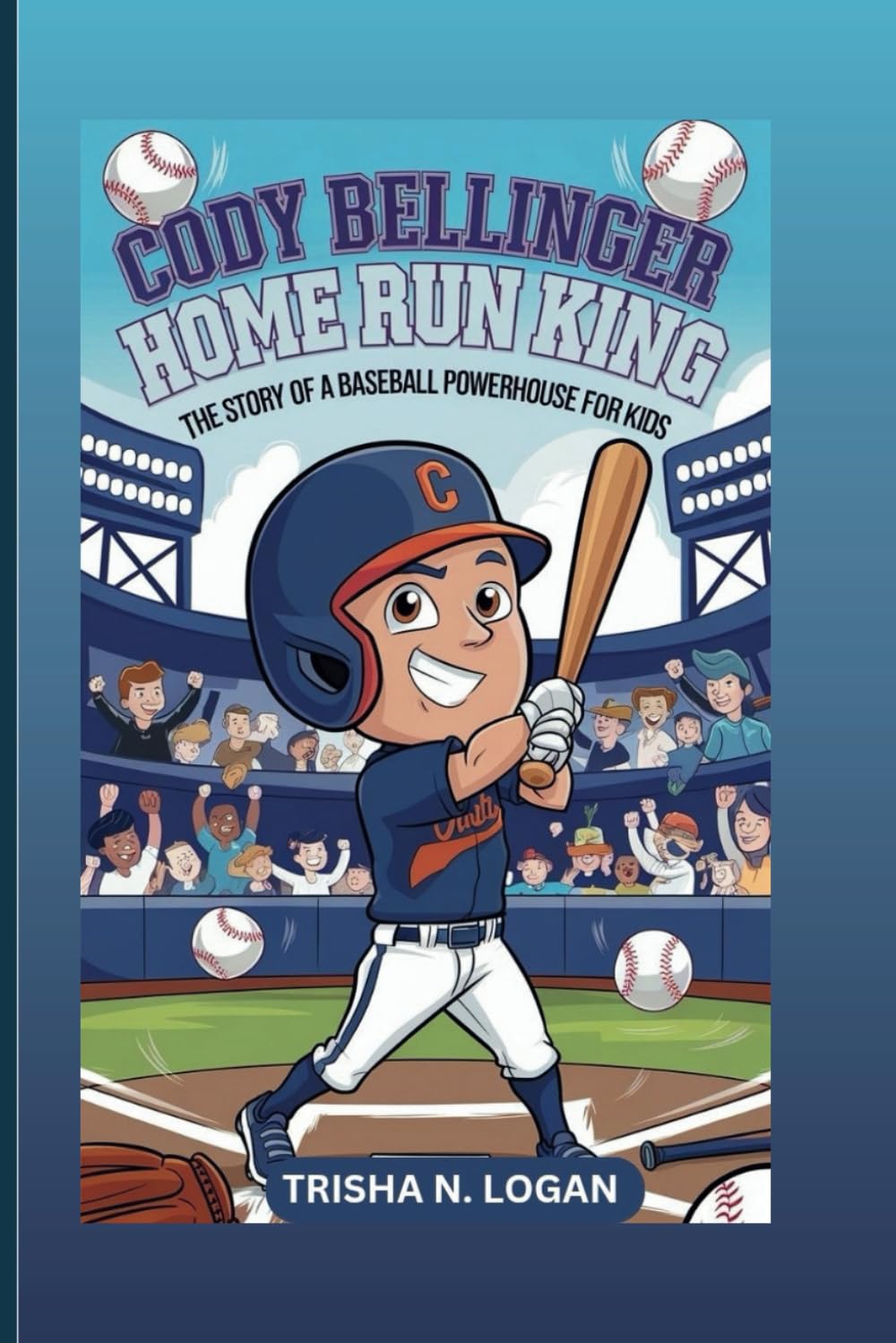
CODY BELLINGER: Home Run King: The Story... |
|
|---|---|---|---|---|
| Price | $14.50 | $6.99 | $15.99 | $15.99 |
| Brand | Ms. Theresa Elizabeth Radley | Roundtree Publishing | Michael F. Blume | Trisha N. Logan |
| Merchant | Amazon | Amazon | Amazon | Amazon |
| Availability | In Stock | In Stock | In Stock | In Stock |